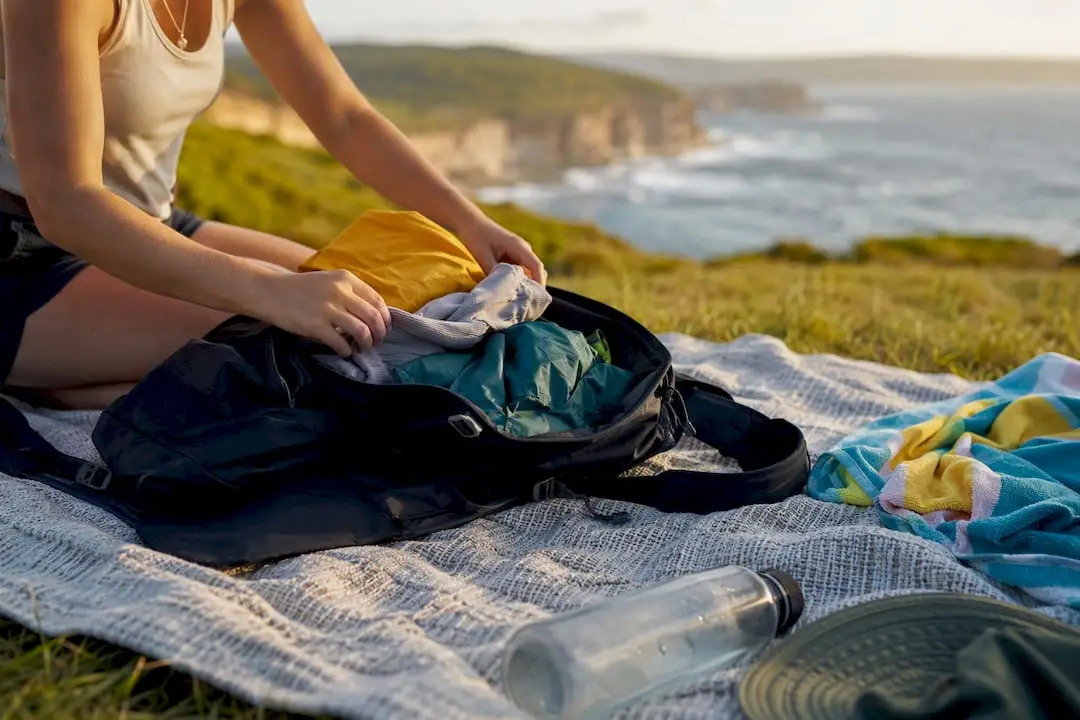
Three things go in that suitcase no matter what: SPF 50+ sunscreen, footwear and gear you can clean before you land, and layers built for the exact region and season you’re visiting. Get those three right and everything else on this Australia packing list is fine-tuning.
Here’s your quick-fire essentials, before we get into the detail:
- Valid passport and visa (check expiry and entry requirements well ahead of departure)
- Travel insurance policy, both printed and saved to your phone
- SPF 50+ sunscreen, broad-spectrum and water-resistant
- A wide-brimmed hat that actually shades your neck and ears
- Comfortable, broken-in walking shoes
- Any prescribed medication, in original packaging with a doctor’s letter
- A basic first-aid kit with blister plasters and antihistamines
- A lightweight rain jacket, even if you’re travelling in the “dry” season
Use the climate, activity, and biosecurity sections below to shape the rest of your pack around where you’re actually going.
Key Takeaways
Getting an Australia packing list right comes down to sun protection, cleanable gear for biosecurity checks, and layering for the specific region and season you’re visiting.
| Point | Details |
|---|---|
| Sun protection first | Pack SPF 50+, a wide-brimmed hat, and UV sunglasses before anything else on the list. |
| Match clothing to region | Tropical north wet season and southern winter need almost opposite wardrobes in the same month. |
| Declare it honestly | Truthfully complete the Incoming Passenger Card for food, plant, animal, and used outdoor equipment. |
| Hire, don’t haul | Ski gear, snorkel sets, and other bulky kit are usually cheaper and easier to rent locally. |
| Get activity-specific notes | Aussie Loop tours include pre-trip packing guidance tailored to each activity, from reef days to rainforest walks. |
Where to check official rules before you fly
- Smartraveller for biosecurity and border control guidance
- Department of Agriculture, Fisheries and Forestry for specific import conditions
- Tourism Australia for regional season and climate timing
Table of Contents
- What should you pack for an Australia trip by season and region?
- What sun protection and health items belong in your carry-on?
- What extra gear do beach, rainforest, outback and alpine trips need?
- What documents, money and electronics do you need for Australia?
- How do you fill out the Incoming Passenger Card and avoid biosecurity fines?
- How do you pack light and plan for laundry on a long trip?
- What’s cheaper to buy in Australia than to pack from home?
- Your printable Australia packing checklist
- Sources
- FAQ
What should you pack for an Australia trip by season and region?
Australia spans tropical monsoon country in the north to cool temperate zones in the south, so “Australian weather” isn’t one thing. The wet season in the tropical north runs roughly October to April, while the south follows a conventional four-season pattern, which means a Cairns itinerary and a Tasmania itinerary in the same month can need almost opposite wardrobes.
Summer (December to February) hits hard almost everywhere except the alpine regions. Pack loose, breathable fabrics like linen and technical cotton blends, a couple of sun-safe long-sleeve shirts (UPF-rated if you can get them), swimwear, and at least one smart-casual outfit for dinners. Winter (June to August) turns genuinely cold in Melbourne, Hobart, and the Snowy Mountains, where you’ll want a proper insulated jacket, thermals, and a beanie. Up north, winter is the dry season and often the best time to visit at all, with warm days and mild nights. Shoulder seasons (March to May, September to November) reward a layering approach: a light jumper, a packable rain shell, and pieces that mix and match rather than one bulky “winter coat.”
Footwear needs the same regional thinking:
- City walking: cushioned sneakers or comfortable flats
- Bushwalking tracks: proper hiking shoes with ankle support and grip
- Beaches and reef towns: thongs (flip-flops) plus reef-safe water shoes
- Outback and red-dirt regions: closed, sturdy boots that keep dust and stones out
Pro Tip: Break in any new walking shoes for at least two weeks before you fly. Nothing ruins a Great Ocean Road hike faster than fresh blisters on day one.
What sun protection and health items belong in your carry-on?
Sunburn is the single most common travel injury in Australia, and it’s almost entirely preventable. Prioritising sun protection, an SPF 50+ sunscreen, a wide-brimmed hat, and UV-blocking sunglasses, does more to keep you comfortable than any amount of after-the-fact aloe vera.
Your health kit should cover:
- SPF 50+ broad-spectrum sunscreen (bring a travel tube, buy the big bottle locally)
- SPF-rated lip balm
- Sunglasses with genuine UV protection, not just tinted lenses
- Insect repellent with DEET or picaridin for tropical and bush regions
- A basic first-aid kit: adhesive bandages, antiseptic, antihistamines, rehydration sachets
- All prescription medication in original packaging, with a doctor’s letter for anything unusual
If you’re on regular medication, bring enough from home rather than relying on transferring a prescription once you land, which can take longer than expected through the local health system. Carry-on liquid limits (typically 100ml per container on international flights) mean full-size sunscreen and repellent usually travel better in checked luggage, with a small backup in your day bag for the flight and the first afternoon.
Statistic Callout: Reef-safe sunscreens matter specifically around the Great Barrier Reef, where oxybenzone and octinoxate are discouraged near coral. Pack a mineral-based option if you’re snorkelling.

What extra gear do beach, rainforest, outback and alpine trips need?
Your base packing list covers the everyday. These four activity types need a short top-up.
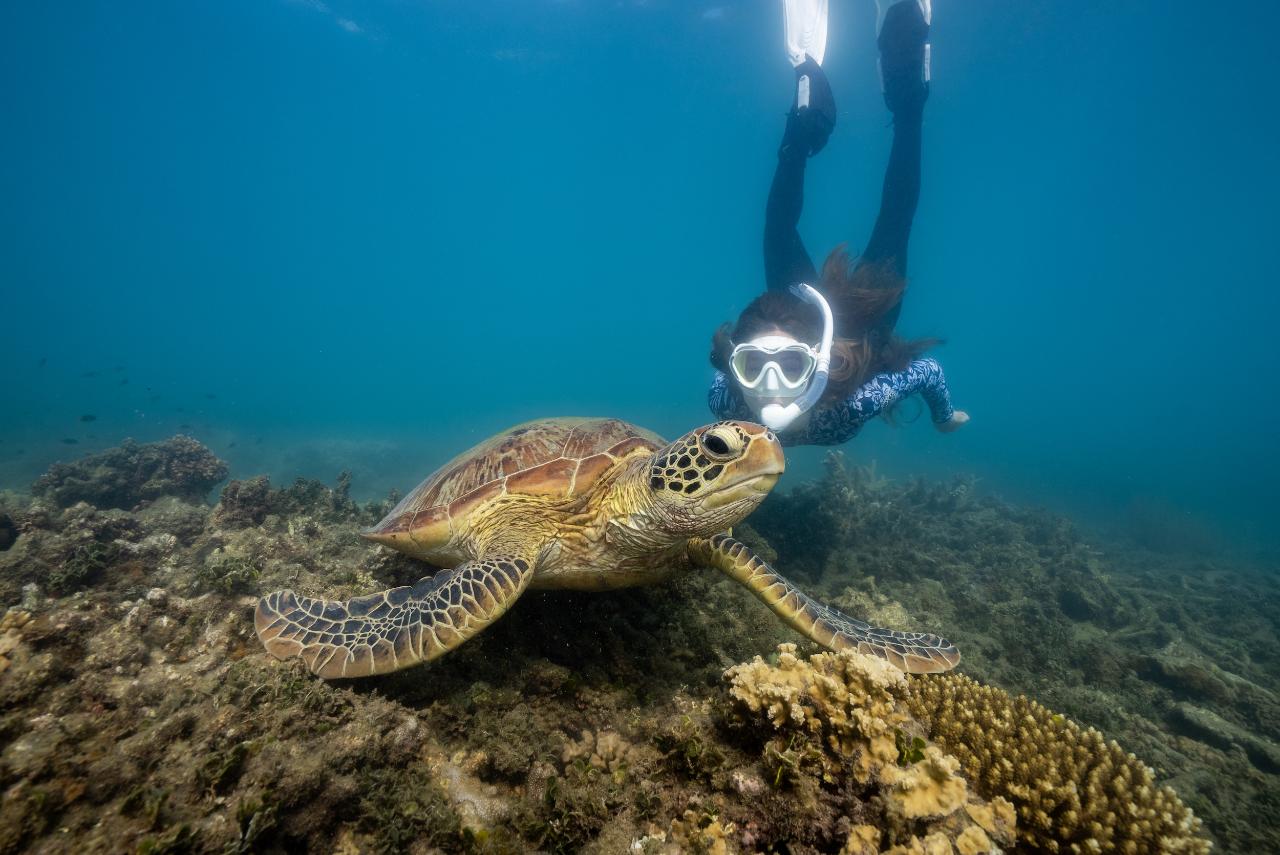
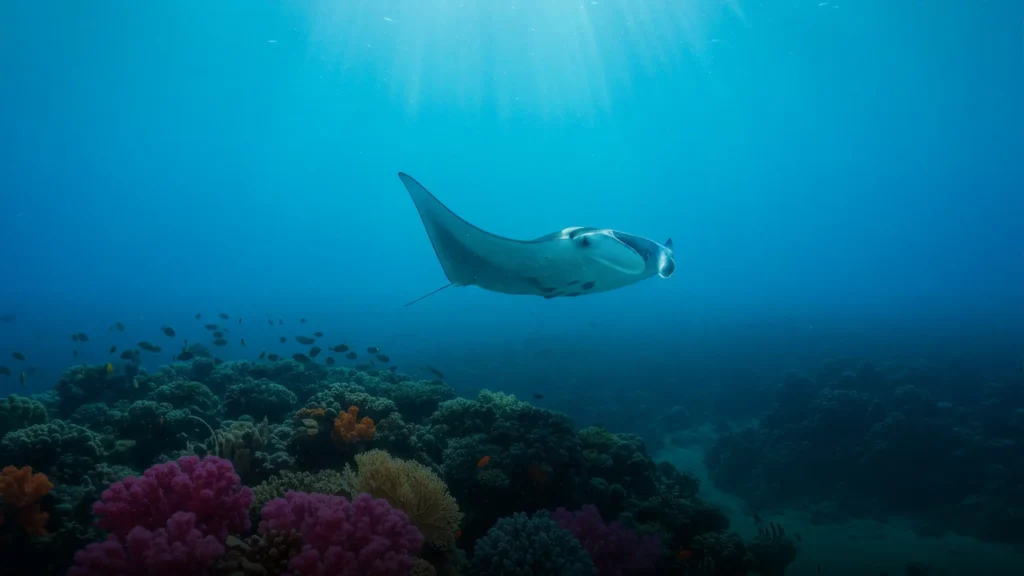
- Beach and reef days: Reef-safe, mineral sunscreen; a rash vest or UPF swim top; water shoes for rocky entries; and, if you’re visiting north Queensland during stinger season (roughly November to May), a full-body swimsuit or stinger suit for ocean swims.
- Rainforest and tropical regions: Closed, quick-dry shoes rather than sandals; a lightweight rain jacket; insect repellent you actually trust; and a dry bag for your phone and camera. The Daintree rainforest day tour packing checklist is worth a look if that’s on your itinerary, since humidity and sudden downpours catch a lot of first-timers out.
- Outback and adventure trips: A refillable water bottle (2 litres minimum, more for multi-day self-drives), sturdy closed footwear, a wide-brimmed hat, and a buff or scarf for dust. Water management matters more out here than spare clothing. Pack for hydration first, wardrobe second.
- Snowy and alpine areas: Thermal base layers and a beanie from home, but leave the ski jacket and boots behind. Local hire shops in the Snowy Mountains and Victorian alpine resorts stock everything from gloves to full ski kits, and it saves you hauling bulky gear across the country for a two or three-day stint on the snow.
Pro Tip: Renting bulky, single-use gear locally, ski kits, snorkel sets, even eskies, almost always beats packing it. You save luggage weight and skip the airline oversize fees.
What documents, money and electronics do you need for Australia?
Check your passport has at least six months’ validity and confirm your visa or Electronic Travel Authority before you fly. Keep both a digital copy (saved offline on your phone) and a printed copy of your passport, visa, and travel insurance policy separate from the originals.
- Passport, visa confirmation, and travel insurance details (digital and printed)
- A contactless-enabled card; tap-and-go is the norm almost everywhere, even for small purchases
- A prepaid SIM, bought at the airport or any supermarket on arrival; Telstra generally offers the strongest coverage in rural and remote areas
- A Type I power adaptor (three flat pins) if you’re travelling from outside Australia, New Zealand, or Argentina
- Spare batteries and power banks packed in carry-on, since most airlines restrict them in checked bags
Keep prescription medication and anything valuable, jewellery, cameras, laptops, in your carry-on, and hold onto receipts for anything expensive in case customs asks questions on departure.
How do you fill out the Incoming Passenger Card and avoid biosecurity fines?
Every traveller arriving in Australia completes an Incoming Passenger Card (IPC)), and you must truthfully declare food, plant material, animal products, and any footwear or equipment used in rural or animal-near areas overseas. This isn’t a box-ticking formality. Biosecurity officers use x-ray scanning and detector dogs, and undeclared items that turn up can mean seizure, on-the-spot fines, or in serious cases, prosecution.
Statistic Callout: Officials recommend keeping any risk items, seeds, dried herbs, packaged snacks, in small amounts. Anything larger should be declared and presented in full for inspection rather than risk being confiscated outright.
The practical steps at arrival are simple:
- Tick “yes” honestly on the IPC if you’re carrying any food, plant, animal, or used outdoor equipment
- Head to the red inspection lane or biosecurity gate rather than the green “nothing to declare” line
- Use the free disposal bins in the arrivals hall if you decide to ditch a risky item before you reach the counter
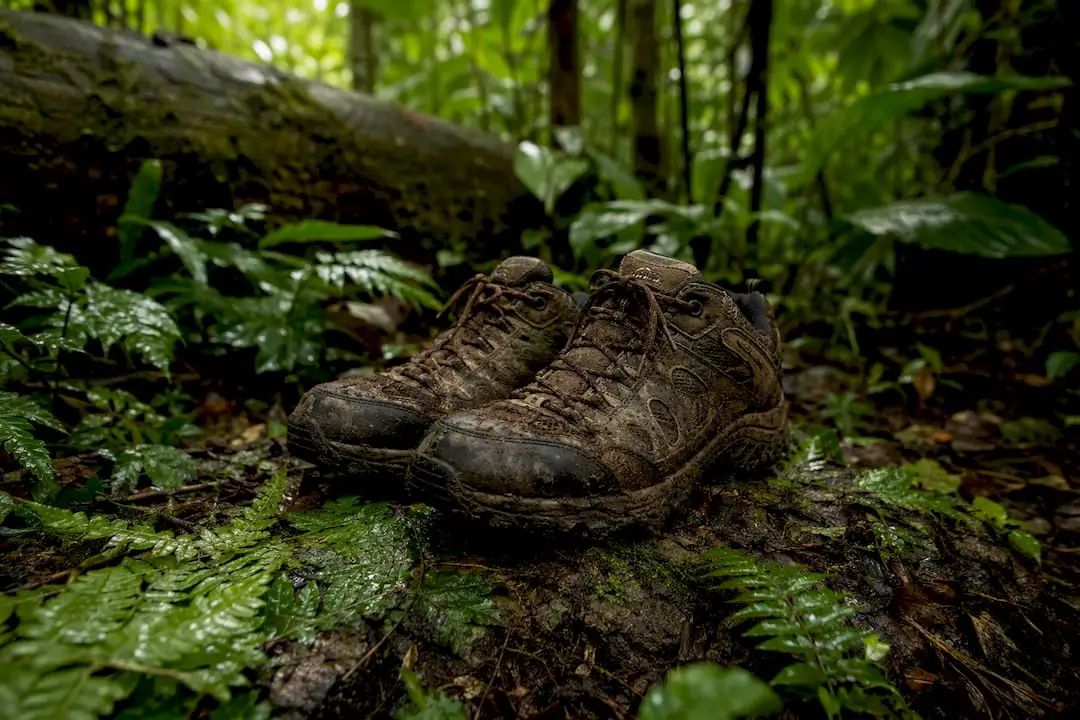
- Clean the soles of hiking boots, tent pegs, and camping gear before you pack them, mud and seeds are exactly what officers are screening for
Biosecurity rules change without much notice, so check current import conditions in the weeks before you fly rather than assuming last year’s rules still apply.
How do you pack light and plan for laundry on a long trip?
- Pack for 7 to 10 days, not the whole trip. Beyond that window, plan a laundry stop, most hostels, caravan parks, and even some hotels have self-service machines, and it keeps your suitcase manageable regardless of how long you’re actually travelling.
- Use compression cubes and a genuine capsule wardrobe. Five tops, two bottoms, and one layering piece cover a fortnight if you’re willing to repeat outfits, which nobody on a road trip is actually judging you for.
- Carry a change of clothes and essentials in your carry-on. Checked bags do occasionally go missing for a day or two, and a spare shirt, underwear, and your toiletries kit save the first 24 hours of any delay.
- Distribute weight and valuables across bags. Split chargers, medication, and anything irreplaceable between your carry-on and daypack rather than one single point of failure.
Pro Tip: If you’re travelling between climates in one trip, tropical Cairns then alpine Tasmania, pack the lightest, most breathable layer as your base and add insulation on top rather than carrying two separate wardrobes.
What’s cheaper to buy in Australia than to pack from home?
Prepaid SIM cards, basic toiletries, and replacement swimwear are all cheap and everywhere in Australian cities, so there’s little reason to overpack them. Locally bought sunscreen and insect repellent work fine too, unless you rely on a specific formulation for sensitive skin.
Bring from home: prescription medication, any sunscreen brand your skin genuinely tolerates, and specialised footwear or dive gear you already own and trust. Availability drops and prices climb once you’re away from major cities, so stock up before you head remote rather than assuming the next town has what you need.
Your printable Australia packing checklist
Copy this into your notes app or print it before you pack.
Documents & money: Passport, visa confirmation, travel insurance, prepaid SIM, contactless card, Type I adaptor
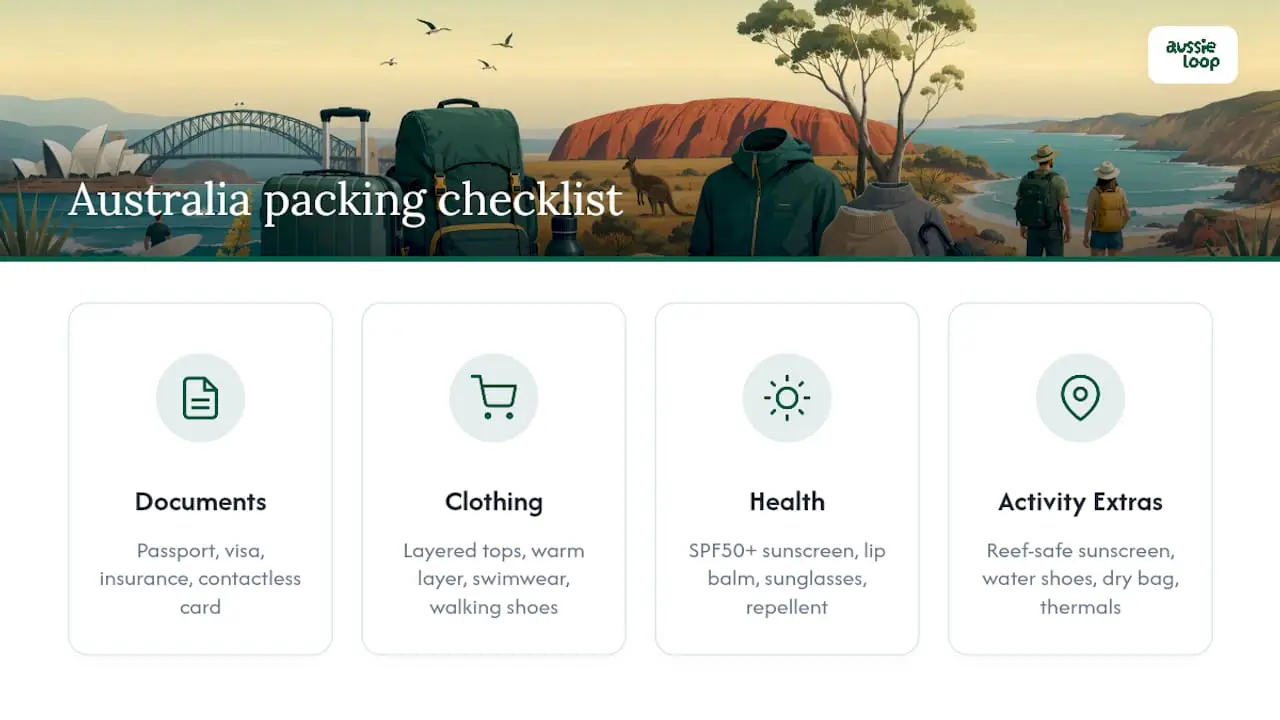
Clothing & footwear: Layered tops, one warm layer, swimwear, walking shoes, thongs, one smart-casual outfit
Health & sun: SPF 50+ sunscreen, SPF lip balm, UV sunglasses, insect repellent, first-aid kit, prescriptions
Activity extras: Reef-safe sunscreen and water shoes (beach), closed shoes and dry bag (rainforest), refillable water bottle (outback), thermals (alpine, gear hired locally)
Biosecurity check: Clean footwear and camping gear, and declare all food or plant items on your IPC honestly.
Adjust every category for the actual regions, seasons, and activities on your itinerary, this list is a base, not a rulebook.
What Aussie Loop guides notice travellers forget
Guides see the same gaps trip after trip: sunscreen that’s expired or too weak, sandals worn into rainforest terrain where covered shoes are needed, and no spare socks on wet-day activities. On multi-climate itineraries, the travellers who pack lightest and hire bulky gear locally always move easier than the ones dragging two wardrobes across the country.
Get tour-specific packing notes before you go
Every Aussie Loop tour comes with pre-trip notes tailored to that exact activity, so you’re not guessing whether you need reef shoes or a rain jacket. Browse the Aussie Loop tours landing page for the full range, or check the Daintree rainforest packing checklist if a rainforest day is already on your itinerary. It’s the difference between a generic list and knowing precisely what a local guide expects you to have in your daypack for that specific trail, reef, or outback track.
Ready to lock in an activity and get its packing notes sorted? Head to Aussie Loop and browse tours by region, then build your final packing list around whatever you book.
Sources
- Biosecurity and border controls | Smartraveller
- Advice to travellers | Department of Agriculture, Fisheries and Forestry
- Best times to visit Australia | Tourism Australia
FAQ
What is the 5-4-3-2-1 rule for packing?
It’s a rough capsule formula for a week-long trip: a small number of tops, a few bottoms, 3 pairs of shoes, 2 bags, and 1 hat, adjusted up or down depending on your trip length and the seasons you’re covering in Australia.
Is $3,000 AUD enough for two weeks in Australia?
It can comfortably cover budget to mid-range accommodation, meals, and a handful of tours or activities for two weeks, though costs vary sharply between capital cities and remote regions.
What should you pack for a month in Australia?
Pack the same 7 to 10 day capsule wardrobe and plan two or three laundry stops along the way, adding season-specific layers and activity extras as your itinerary moves between regions.
What is the 3-5-7 rule in packing?
It’s another capsule guideline, roughly 3 bottoms and a handful of tops aimed at covering a week or more without overpacking your suitcase.
Do I really need to declare hiking boots on arrival?
Yes. Footwear or equipment used in rural or animal-near areas overseas must be declared on your Incoming Passenger Card, and cleaning them beforehand reduces the chance of delay at the biosecurity gate.