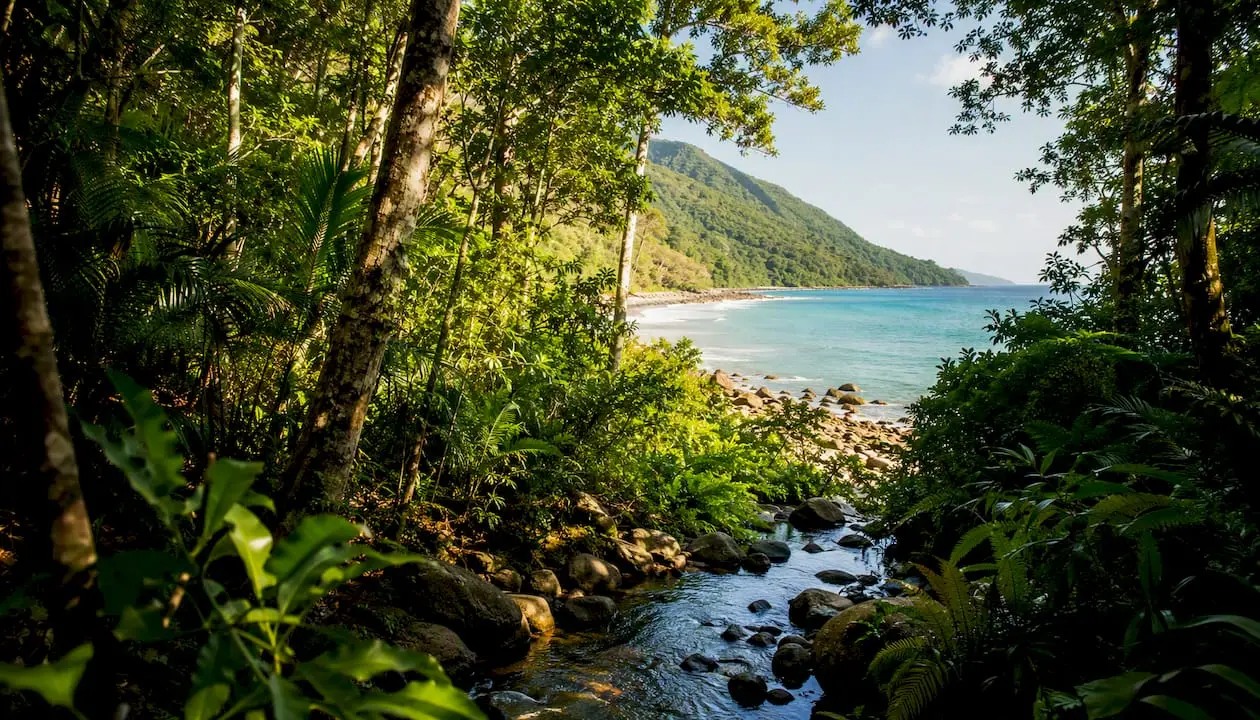
A genuine eco tour in Australia is one that carries independent certification, actively educates visitors about the environment and culture, and returns measurable benefit to local communities. That is the three-part test. If a tour ticks all three, you are looking at the real thing. If it only ticks one, treat the marketing language with caution.
Your fastest verification step: search the operator or destination in Ecotourism Australia’s Green Travel Guide. Certified operators are listed there by region and experience type, and the listing itself tells you which certification level they hold.
Three trust signals to scan before you book:
- Certification badge — look for ECO Certification, Sustainable Tourism Certification, or the Strive 4 Sustainability Scorecard from Ecotourism Australia.
- Small-group and interpretive focus — genuine eco tours keep groups small and spend real time explaining ecosystems, wildlife behaviour, and cultural significance.
- Indigenous or local partnership — the operator either employs local guides, holds a formal Indigenous partnership, or is community-owned.
Key takeaways
Certified eco tours in Australia require independent verification, genuine interpretive content, and measurable local benefit — all three, not just one.
| Point | Details |
|---|---|
| Certification is the baseline | Check Ecotourism Australia’s Green Travel Guide before booking; self-declared claims are not a substitute. |
| Education separates eco from nature tours | A qualified guide who interprets ecology and culture is what makes an experience genuinely educational. |
| Small groups and Indigenous involvement matter | Under 12 people and formal Indigenous partnerships are the two strongest quality signals beyond certification. |
| Eco travel is not always more expensive | One market sample found sustainable accommodation averaged $151 less per night than non-sustainable options. |
| Aussie Loop curates certified picks | Browse locally selected, certification-first eco tours across Queensland, Tasmania, and beyond at Aussie Loop. |
Table of Contents
- What does an eco tour in Australia actually mean?
- How do you verify a genuine eco tour’s credentials?
- Where should you go? Australia’s top eco destinations
- What types of eco-tour experiences can you find across Australia?
- How do you choose the right eco tour for your trip?
- What should you budget and when should you go?
- How do you behave responsibly on an eco tour?
- Aussie Loop’s curated eco-tour picks
- Why local curation produces better eco-tour outcomes
- Aussie Loop makes it easy to find and book certified eco tours
- Sources
- FAQ
What does an eco tour in Australia actually mean?
The term “eco tour” gets used loosely, so it helps to anchor it to the Australian standard. Ecotourism Australia defines ecotourism as ecologically sustainable tourism with a primary focus on experiencing natural areas that fosters environmental and cultural understanding, appreciation, and conservation. In practice, that means three things working together:
- Conserve nature — the tour minimises physical impact on habitats, avoids disturbing wildlife, and actively contributes to conservation outcomes.
- Support local communities — revenue flows to local businesses, Indigenous custodians, and regional economies rather than offshore operators.
- Educate travellers — guides interpret what visitors are seeing, connecting them to ecological and cultural context rather than just pointing at wildlife.
What separates a certified Australian eco tour from a “nature tour” that uses green imagery is the auditing. Ecotourism Australia’s certification is built on more than 300 criteria across four independent audit pillars: environmental performance, socio-economic responsibility, cultural respect, and sustainable management. That is not a self-assessment checklist. An independent auditor verifies the claims.
The distinction matters because greenwashing is genuinely common in travel marketing. A tour that runs through a national park is not automatically an eco tour, any more than a hotel with a recycling bin is automatically sustainable.
How do you verify a genuine eco tour’s credentials?
Understanding Ecotourism Australia’s certification levels
Ecotourism Australia offers several certification pathways, each serving a different type of operator:
- ECO Certification — for nature-based businesses: tours, accommodations, and attractions operating in natural areas.
- Sustainable Tourism Certification — for non-nature-based tourism businesses in the supply chain (transport, food, retail).
- ECO Destination — recognises whole regions that demonstrate a community-wide commitment to sustainable management, distinct from urban-focused destination certifications.
- ROC (Respecting Our Culture) — a cultural certification that assesses how well operators engage with and respect Aboriginal and Torres Strait Islander cultures.
- Strive 4 Sustainability Scorecard — a transparent pathway program for operators actively working towards full certification. Seeing this on an operator’s profile is a positive sign, not a red flag.
Ecotourism Australia’s global recognition means certified operators can display verified sustainability labels on major booking platforms, so you may also spot these badges on OTA listings when filtering for sustainable experiences.
Where to search for certified operators
- Ecotourism Australia’s Green Travel Guide — the primary directory; search by state, region, or experience type.
- australia.com sustainable travel hub — Tourism Australia’s destination pages list recognised eco-friendly destinations and link to certified offerings.
- OTA sustainability filters — platforms increasingly surface certified properties; use the eco or sustainability filter and cross-check the badge against Ecotourism Australia’s directory.
Red flags to watch for
- Vague claims like “we love nature” or “environmentally friendly” with no certification link.
- Large group sizes (20+ people) with no interpretive guide.
- No mention of local employment, Indigenous partnerships, or community benefit.
- Operators who cannot name their waste management or carbon policy when asked directly.
Pro Tip: Before booking, ask the operator two questions: “Which certification do you hold and when was your last audit?” and “Do you employ local or Indigenous guides?” A credible operator answers both without hesitation.
Where should you go? Australia’s top eco destinations
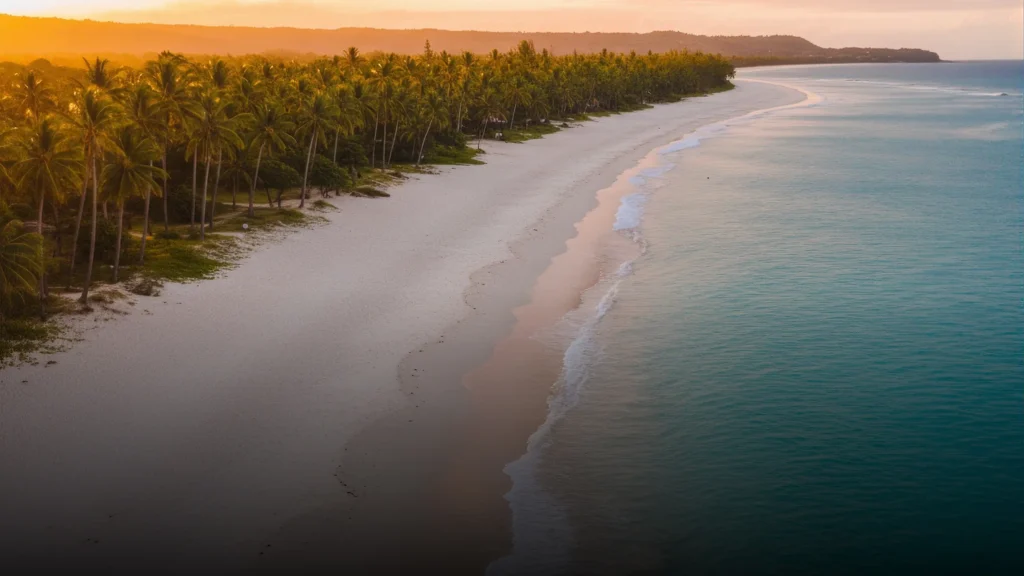
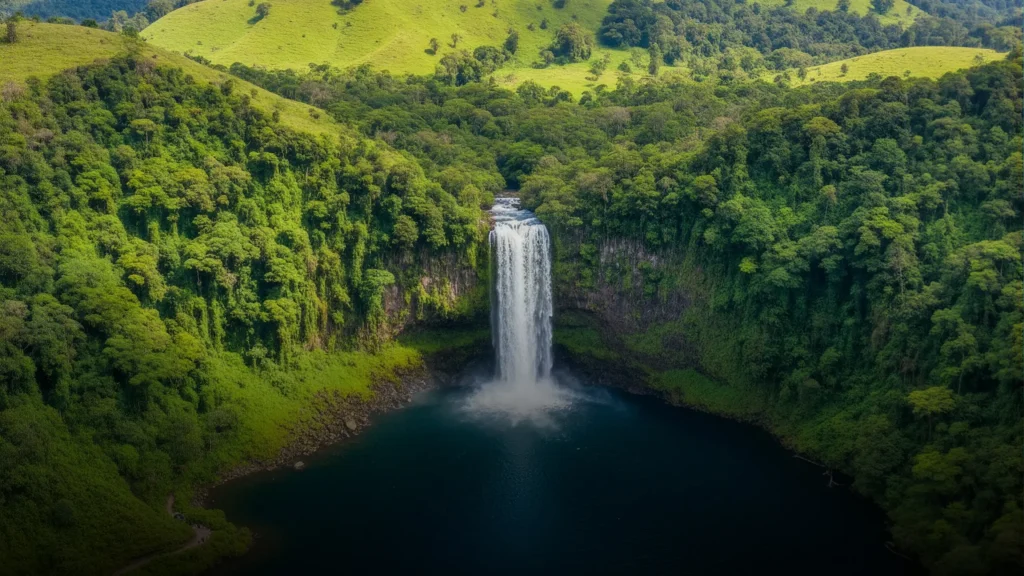
Australia’s geography means eco experiences range from ancient rainforest to remote coral islands to cool-temperate wilderness. Each destination below has a distinct ecological character and a different type of certified experience on offer.
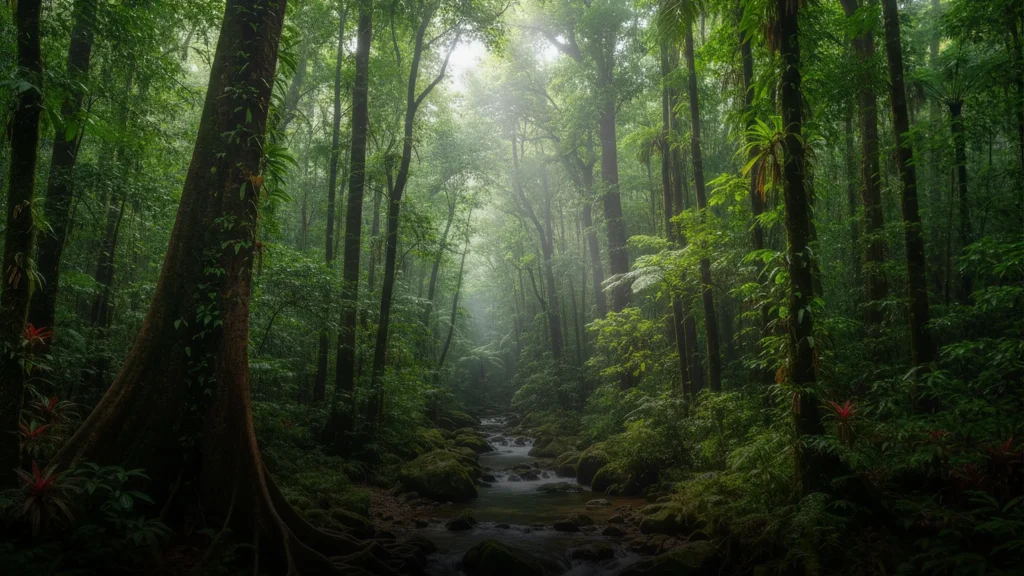
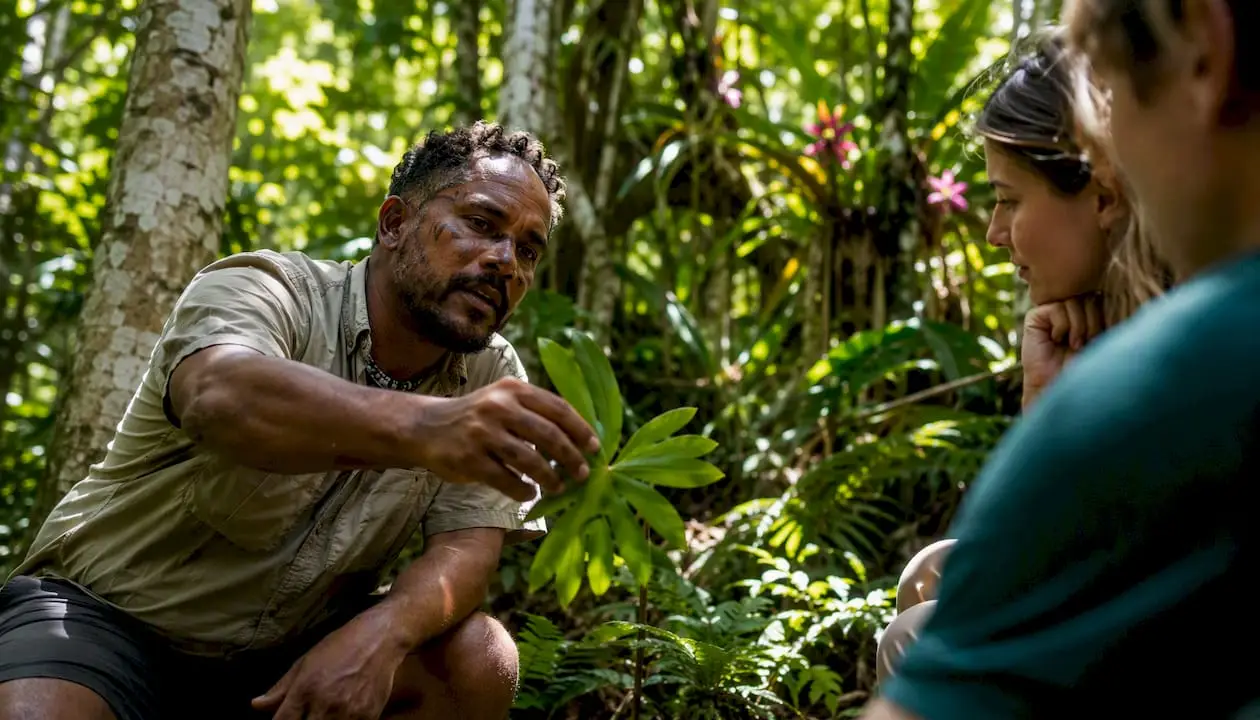
Port Douglas and the Daintree sit at the meeting point of two World Heritage areas: the Wet Tropics rainforest and the Great Barrier Reef. This is the most biodiverse corner of Australia, and it shows. Kuku Yalanji-led tours operate here with formal Indigenous custodianship, making it one of the few places where reef, rainforest, and living culture converge in a single day.
Lord Howe Island is a UNESCO World Heritage-listed island 600 kilometres off the New South Wales coast, with a strict visitor cap of 400 people at any one time. That cap is not a marketing line — it is enforced. The island’s endemic species, including the Lord Howe Island woodhen, exist nowhere else on earth.
Margaret River in Western Australia combines karri forest, coastal heath, and a strong local food and wine culture. ECO Certification operators here tend to focus on guided forest walks, cave systems, and marine wildlife encounters along the Leeuwin-Naturaliste coastline.
Kangaroo Island, listed on Australia, is one of Australia’s most accessible wildlife destinations. Sea lions, echidnas, koalas, and little penguins share the island with a growing number of certified operators who rebuilt their offering after the 2019–20 fires.
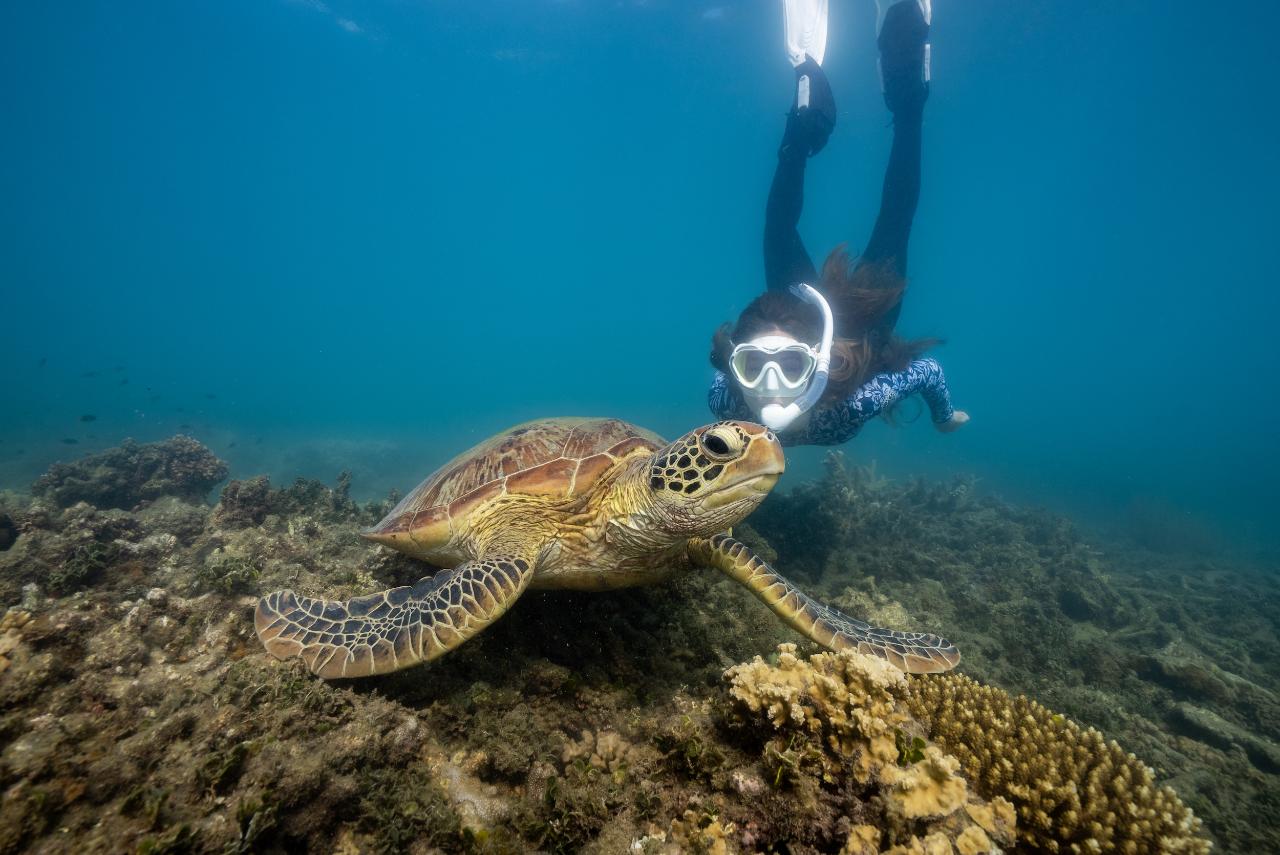
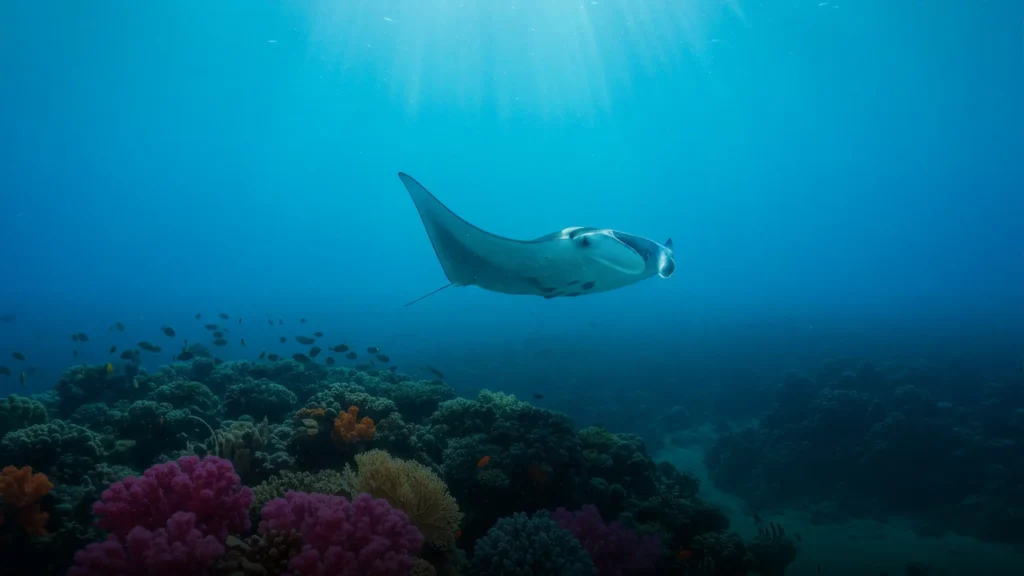
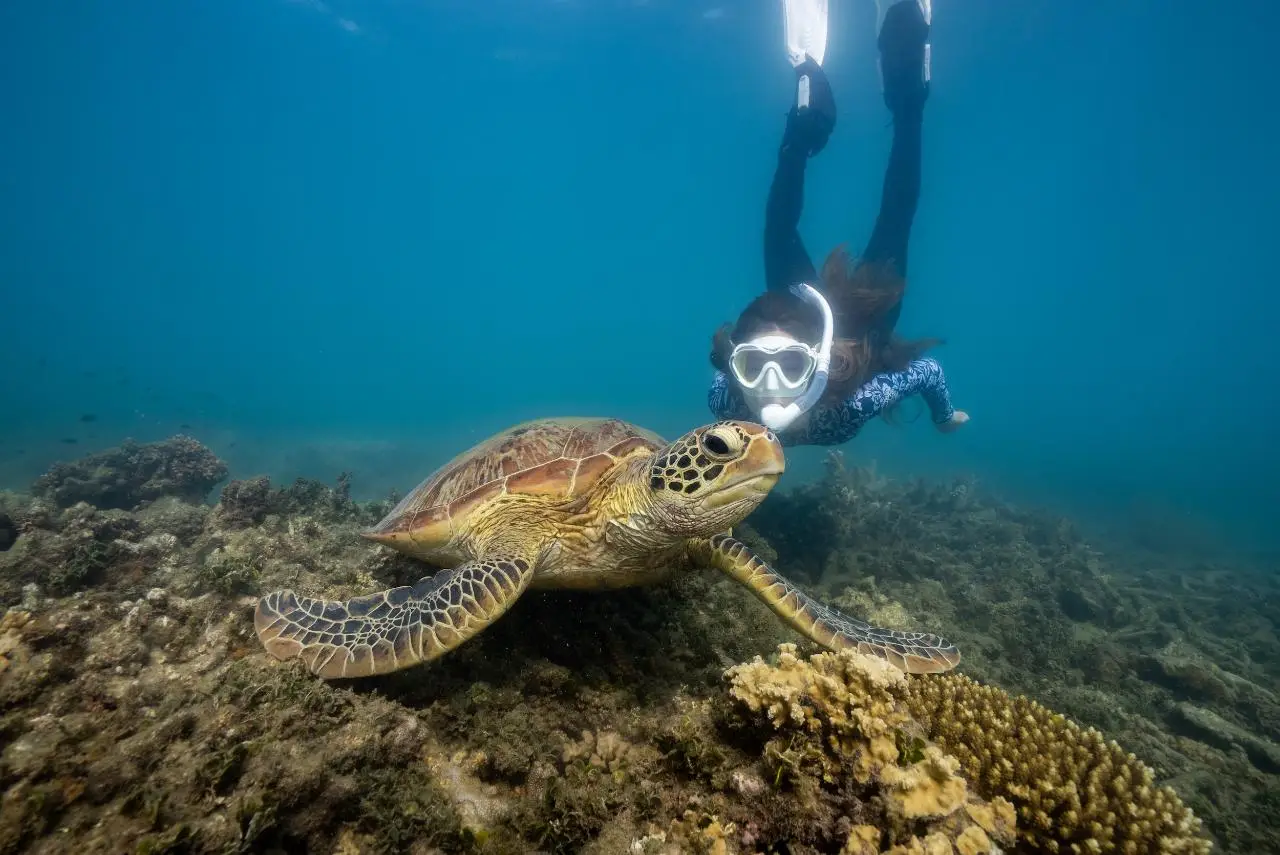
Lady Elliot Island sits at the southern tip of the Great Barrier Reef and is one of the most consistently certified eco destinations in Australia. The island resort holds ECO Certification and operates a coral restoration programme. Snorkelling directly from the beach puts you above manta rays and green turtles within minutes.
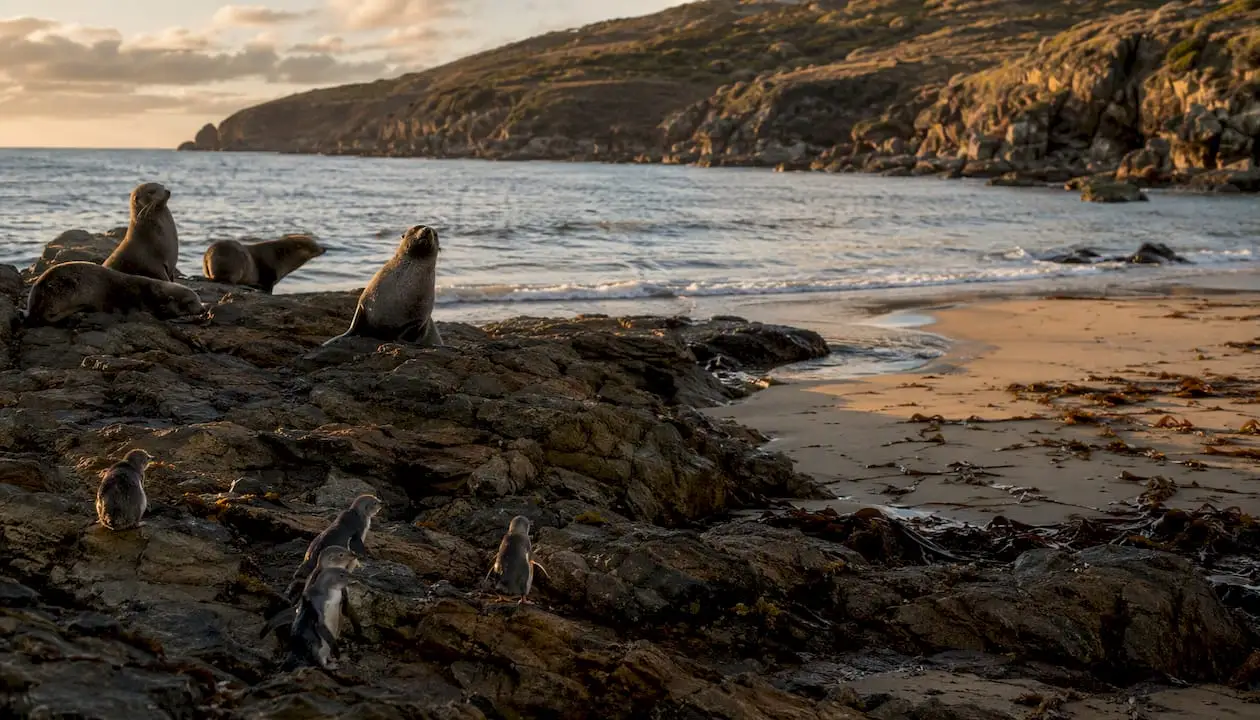
Bruny Island in Tasmania is a short ferry ride from the Huon Valley and offers cold-water wildlife encounters — fur seals, little penguins, white wallabies — alongside some of the most dramatic coastal scenery in the country. Slow travel through Tasmania suits Bruny Island well; rushing it misses the point entirely.
Norfolk Island combines Pacific Island ecology with a layered colonial and Polynesian history. Its small scale and geographic isolation mean visitor numbers stay naturally low, and the island’s community-run conservation programmes give travellers genuine ways to contribute.
ECO Destination certification recognises whole regions for community-wide sustainable management, so when a destination holds that status, the commitment extends beyond individual operators to the region itself.
What types of eco-tour experiences can you find across Australia?
Australia’s certified eco experiences cover a wider range than most travellers expect. Here is a practical breakdown by type, audience, and typical commitment:
- Reef snorkel and dive tours — best for wildlife and adventure seekers. Half-day to full-day. Moderate fitness required; most operators provide equipment and a safety briefing. Lady Elliot Island and the outer Great Barrier Reef are the standout locations.
- Guided rainforest walks — best for families, culture, and nature lovers. Half-day to full-day. Low to moderate activity level. The Daintree offers both self-guided boardwalks and deep-interpretation guided walks led by Kuku Yalanji custodians.
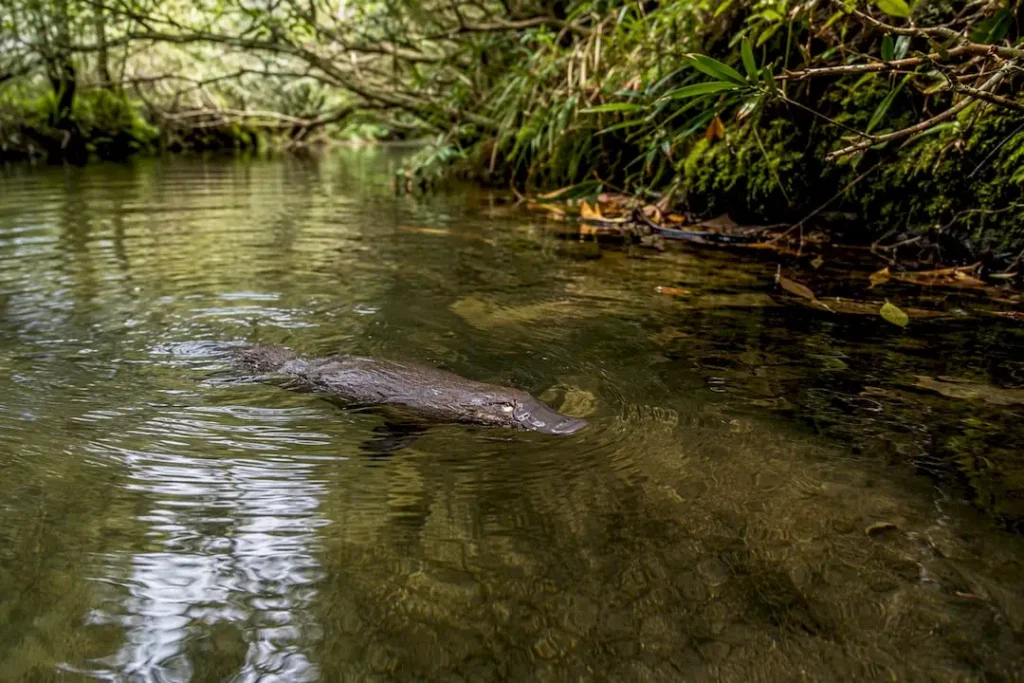
- Nocturnal wildlife tours — best for wildlife enthusiasts and photographers. Typically, two to four hours in the evening. Low physical demand. The Daintree Afternoon and Nocturnal Tour is a strong example of combining daytime ecology with after-dark species spotting.
- Indigenous cultural experiences — best for culture, history, and deeper understanding. Half-day to full-day. Suitable for all fitness levels. These tours are led by Aboriginal or Torres Strait Islander guides and cover Country, language, bush tucker, and living traditions — not a performance.
- Island wildlife encounters — best for wildlife and conservation. Full-day to multi-day. Kangaroo Island, Lord Howe Island, and Bruny Island all offer encounters with species found nowhere else. Some programmes include active conservation participation.
- Citizen science and volunteer options — best for travellers who want to contribute directly. Multi-day. Moderate to high commitment. Reef monitoring, bird surveys, and revegetation programmes exist across Queensland, South Australia, and Tasmania.
- 4WD and forest adventure tours — best for adventure seekers who want ecological context alongside the thrill. Half-day to full-day. Moderate to high activity level. Certified operators combine off-road access with genuine interpretation of the landscapes they traverse.
How do you choose the right eco tour for your trip?
A decision checklist
Work through these criteria in order. The first two are non-negotiable; the rest help you narrow the shortlist.
- Certification — does the operator hold ECO Certification, Sustainable Tourism Certification, or at minimum the Strive 4 Sustainability Scorecard? Verify on the Green Travel Guide, not just the operator’s own website.
- Interpretive content — will a qualified guide explain what you are seeing? A tour that moves from spot to spot without ecological or cultural context is a nature trip, not an eco tour.
- Group size — smaller groups cause less disturbance and allow more genuine interaction. Under 12 is a reliable benchmark for most wildlife and rainforest experiences.
- Indigenous involvement — is the operator Indigenous-owned, does it employ Indigenous guides, or does it hold a formal partnership with Traditional Custodians? This is especially important in the Daintree, Kakadu, and Arnhem Land regions.
- Transport footprint — how do you get there and how does the operator move the group? Electric or hybrid vehicles, boat-based tours that avoid reef anchoring, and walking-led itineraries all reduce impact.
Questions to ask before you book
- What certification do you hold, and when was your last independent audit?
- What percentage of your guides are local or Indigenous?
- How do you handle waste on tour, including single-use plastics?
- Do you have a carbon policy or offset programme?
- What is your maximum group size, and is that enforced?
Weighing price against integrity
A higher price on a certified eco tour usually reflects real costs: smaller groups, qualified guides, genuine community contributions, and the overhead of maintaining certification. Independent certification and transparent auditing are the most credible signals available; marketing language alone is not a substitute. If two tours cover the same ground and one is significantly cheaper, ask why before assuming it is better value.
What should you budget and when should you go?
Typical price ranges
Eco tour pricing in Australia varies by region, duration, and group size. These are indicative ranges based on typical market positioning:
| Tour type | Typical price range (AUD) | Usually includes |
|---|---|---|
| Half-day guided walk or cultural tour | $85 per person | Guide, entry fees, light refreshments |
| Full-day reef or rainforest tour | $180 per person | Guide, equipment, lunch, transfers |
| Multi-day island or wilderness tour | $600 per person | Accommodation, meals, all activities |
| Private or small-group custom tour | $300 per person | Personalised itinerary, dedicated guide |
One data point worth noting: a marketplace analysis found that sustainable accommodation averaged $151 less per night than non-sustainable options in its sample. That finding is specific to one dataset and should not be read as a universal rule, but it does push back against the assumption that eco travel always costs more.
Seasonality by experience type
- Great Barrier Reef and Daintree (Queensland) — the dry season, May through October, offers the clearest water and most comfortable temperatures. The wet season (November through April) brings lush rainforest growth and fewer crowds, but some roads and tours are weather-dependent.
- Kangaroo Island and Margaret River (South Australia / Western Australia) — spring (September through November) and autumn (March through May) are ideal. Summer can be extreme in both regions.
- Bruny Island and Tasmania — summer (December through February) gives the longest days and best wildlife activity. Winter is dramatic but cold; some operators reduce schedules.
- Lord Howe Island — the island is accessibly year-round, but October through May offers the warmest water for snorkelling and diving.
- Norfolk Island — mild year-round; the whale-watching season runs June through October.
Booking lead times and practical notes
Book multi-day island experiences (Lord Howe Island, Lady Elliot Island) at least three to six months ahead, particularly for peak season. Daintree and Cairns-based tours are generally available with shorter lead times, though popular Indigenous cultural experiences fill quickly. Some remote experiences require National Parks permits; confirm this with the operator at enquiry stage.
Pro Tip: Pack reef-safe sunscreen (no oxybenzone or octinoxate) for any marine tour. Many certified operators require it, and some supply it as part of their environmental commitment.
How do you behave responsibly on an eco tour?
Tourism Australia recommends opting for eco-certified experiences, choosing locally run tours, and considering carbon offsetting to reduce travel impact. That is the macro picture. On the ground, responsible behaviour comes down to a handful of consistent habits.
Do:
- Follow your guide’s instructions without exception. They know the site, the species, and the cultural protocols.
- Stay on marked paths in rainforest and coastal environments. Compaction and erosion from foot traffic cause lasting damage.
- Keep a respectful distance from wildlife. The guide will tell you how close is appropriate; err on the side of further.
- Buy from local producers and Indigenous-owned businesses during and after your tour.
- Ask your guide questions. Genuine curiosity is part of what makes eco tourism work.
Don’t:
- Touch, feed, or attempt to interact with wild animals, even if they approach you.
- Remove anything from the natural environment: shells, rocks, plants, feathers.
- Enter sacred sites or restricted cultural areas without explicit invitation from a Traditional Custodian.
- Use single-use plastics on tour. Bring a reusable water bottle and bag.
- Post wildlife location data publicly on social media. Nesting sites and rare species locations are targeted by poachers.
Pro Tip: Offset your flights before you travel, not as an afterthought. Carbon calculators from Qantas, Virgin Australia, and independent providers like Gold Standard let you match the offset to your specific route.
Aussie Loop’s curated eco-tour picks
Aussie Loop selects tours based on a clear set of criteria: certification or active certification pathway, locally employed or Indigenous guides, genuine interpretive content, measurable community benefit, and verified visitor feedback. The picks below represent that standard across different regions and experience types.
- Northern Experience Eco Tour, Cairns — a small-group nature tour combining rainforest interpretation with coastal ecology north of Cairns. Selected for its interpretive depth and local guide team.
- Hands On Country Eco Tour, Cairns — an Indigenous-led experience that connects visitors to Country through bush tucker, traditional practices, and ecological storytelling. Selected for its formal Indigenous partnership and education focus.
- Daintree Dreaming Aboriginal Cultural Adventure — a Kuku Yalanji-guided experience in the world’s oldest tropical rainforest. Selected for Indigenous custodianship, small group size, and cultural authenticity.
- Tasmanian Devils Bonorong Experience — a conservation-focused wildlife encounter at Bonorong Wildlife Sanctuary near Hobart. Selected for its direct contribution to Tasmanian devil recovery programmes and its interpretive ranger-led format.
- Cassowary Coast Goondoi Culture Experience — a regional Indigenous cultural experience on the Cassowary Coast combining local ecology with Girramay and Jirrbal cultural knowledge. Selected for its regional specificity and community ownership.
To view full details, check availability, and book any of these experiences, browse the curated tours on Aussie Loop. Before confirming, ask the operator directly about their current certification status and group size cap.
Why local curation produces better eco-tour outcomes
There is a gap between what a certification badge signals and what a traveller actually experiences on the day. Certification confirms that an operator meets a standard. It does not tell you whether the guide is genuinely knowledgeable, whether the group size is enforced in practice, or whether the cultural content is deep or tokenistic.
Local curation closes that gap. When someone with on-ground knowledge of a region selects a tour, they are drawing on context that no algorithm or review aggregator can replicate: which operators actually employ the guides they claim to employ, which cultural partnerships are genuine versus performative, and which experiences hold up across different seasons and group compositions.
The most overlooked dimension in eco-tour selection is interpretive quality. A tour can be certified, small-group, and locally run, yet still deliver a shallow experience if the guide lacks the knowledge or the time to go deep. The best eco tours feel less like a scheduled activity and more like a conversation with someone who has spent years in that place. That quality is almost impossible to assess from a listing alone. It requires either direct experience or a curation process built on it.
Aussie Loop makes it easy to find and book certified eco tours
Sorting through hundreds of tour listings to find genuinely certified, locally led experiences takes time most travellers do not have. Aussie Loop does that work upfront: every tour in the catalogue is hand-selected by locals who know the operators, the regions, and the difference between a certified experience and a well-photographed one.
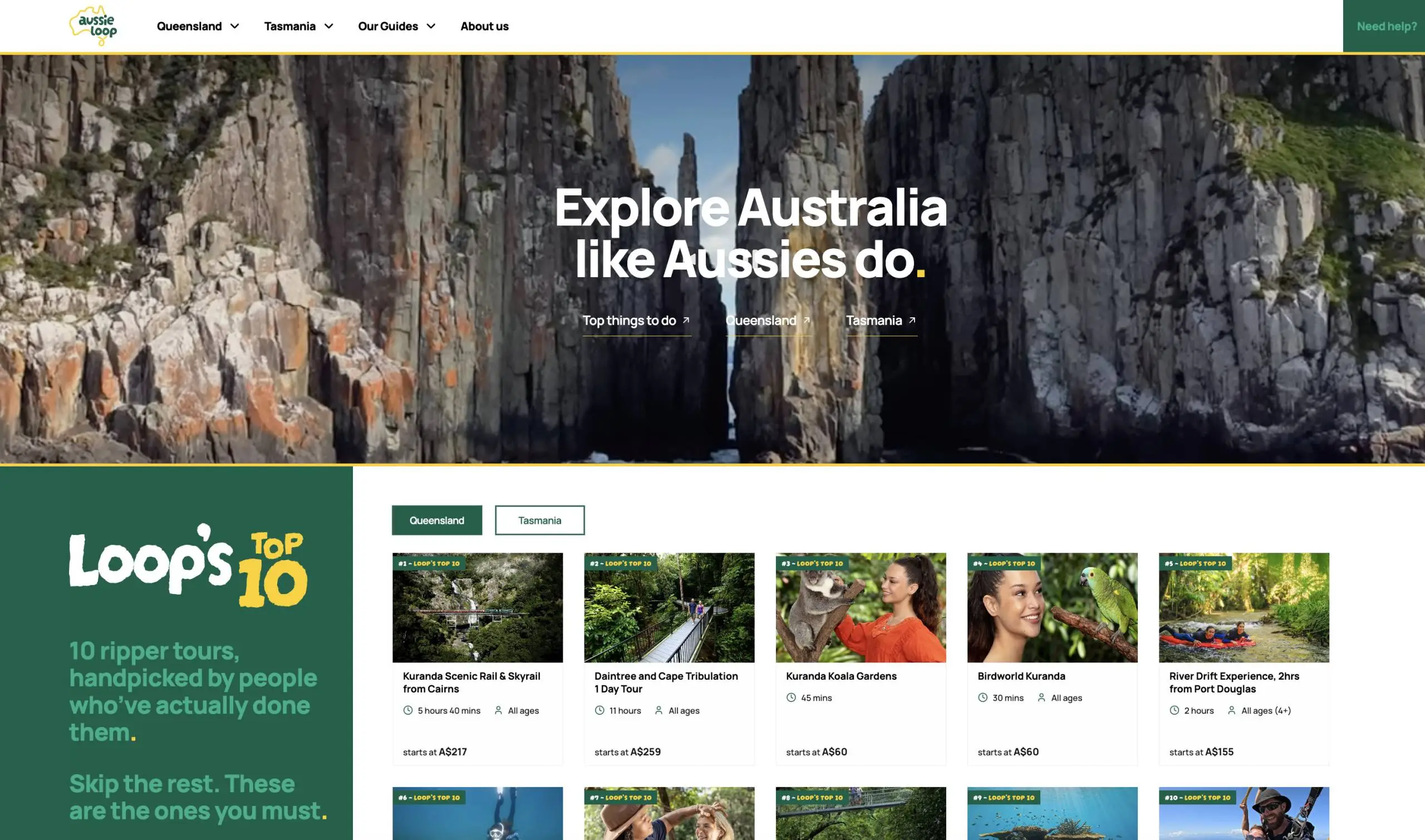
The booking process is straightforward. Browse the curated eco and nature tours, check the certification and guide details on each listing, and book directly through the affiliate link to the operator. Aussie Loop earns a referral commission on completed bookings, which keeps the platform free for travellers. You pay the operator’s standard rate; nothing is added on top.
Start with the curated picks above, or browse all Australian tours on Aussie Loop to find the experience that fits your region, timeframe, and interests.
Sources
These are the primary resources for verifying certification and finding certified operators across Australia:
- Ecotourism and Sustainable Tourism Statistics 2025 – Radical Storage
FAQ
Which tour company is best for eco tours in Australia?
There is no single best operator — the right choice depends on your destination, interests, and the type of experience you want. Verify any operator against Ecotourism Australia’s Green Travel Guide, and look for ECO Certification, small group sizes, and Indigenous guide involvement. Aussie Loop’s curated picks are a reliable starting point for certified, locally validated options.
What are the best ecotourism destinations in Australia?
Lady Elliot Island, the Daintree and Port Douglas, Lord Howe Island, Kangaroo Island, Margaret River, Bruny Island, and Norfolk Island are among the most recognised. Each offers a distinct ecological character, from coral reef to ancient rainforest to cool-temperate wilderness, and most have certified operators listed on the Green Travel Guide.
Is eco tourism more expensive than regular tourism?
Not necessarily. A marketplace analysis found that sustainable accommodation averaged $151 less per night than non-sustainable options in its sample, though that finding is specific to one dataset. Certified eco tours often cost more than generic nature tours because they involve smaller groups, qualified guides, and genuine community contributions, but the price difference reflects real value rather than a premium for the label.
Are there eco tours available in the Flinders Ranges?
The Flinders Ranges in South Australia is home to certified eco operators offering guided walks, wildlife spotting, and Adnyamathanha cultural experiences. Tour lengths range from half-day walks to multi-day wilderness itineraries. Check Ecotourism Australia’s Green Travel Guide under South Australia for currently certified operators in the region.