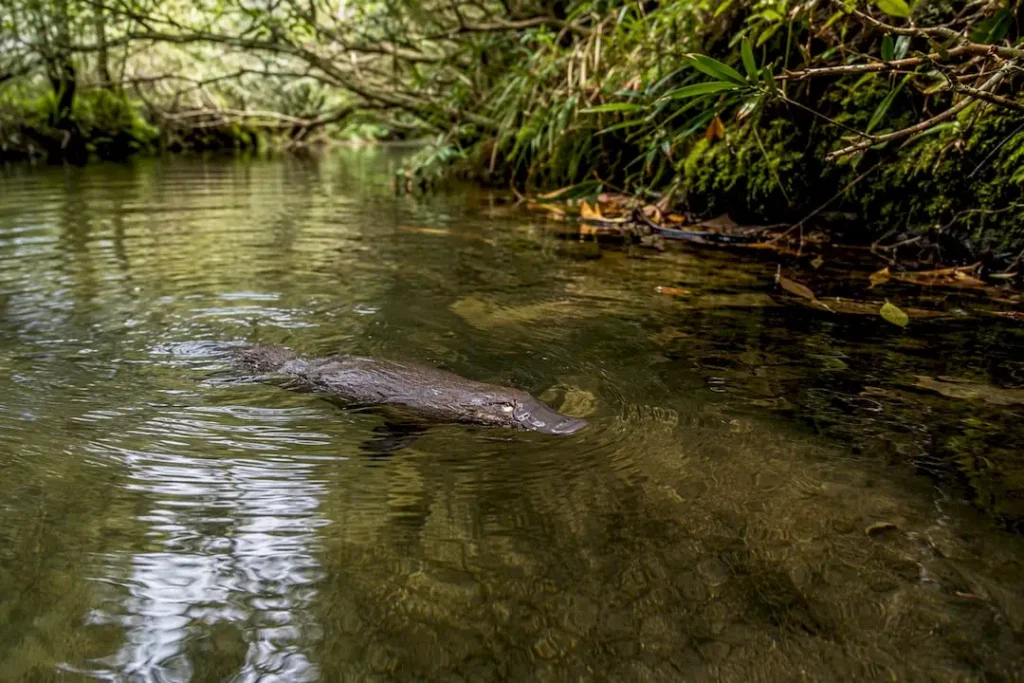
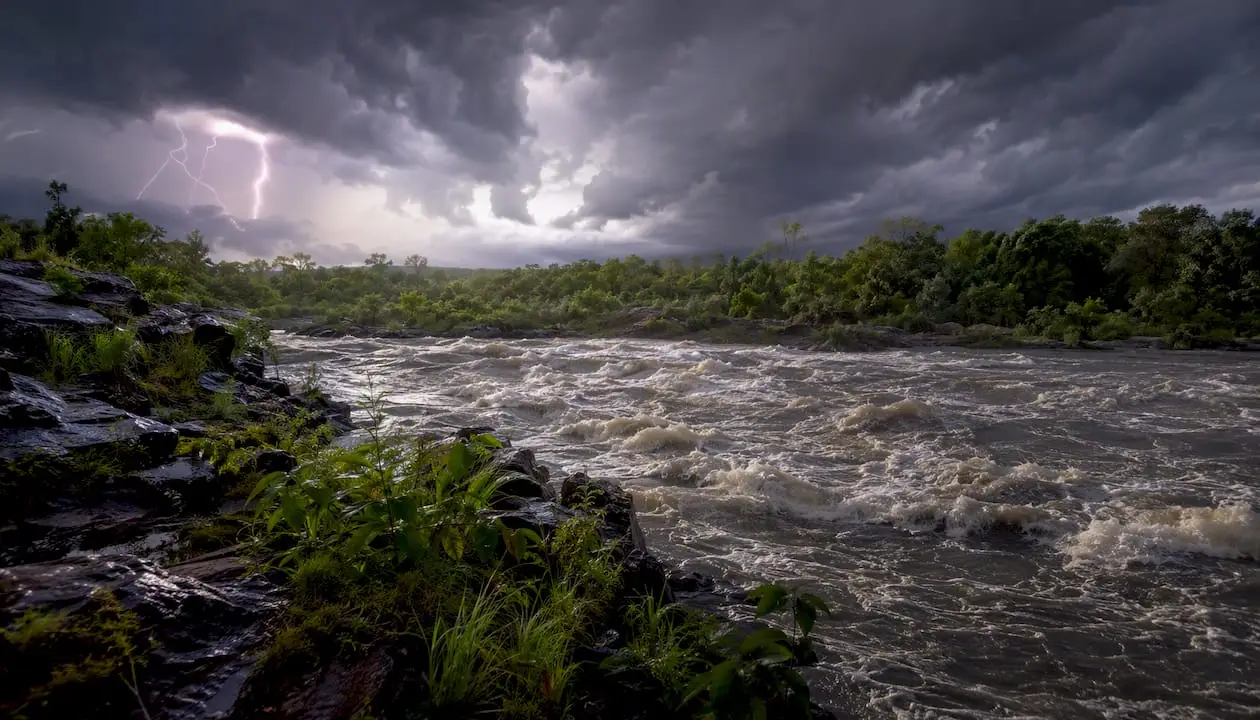
The Kimberley wet season runs roughly from November to April, bringing monsoon downpours, cyclone risk and significant travel disruption. Most 4WD tracks close, but waterfalls roar, birdlife thrives, and the landscape turns emerald green. Here’s what changes for you:
- Roads like the Gibb River Road often close entirely
- Independent 4WD touring becomes unreliable or unsafe
- Guided tours, light aircraft and boat charters remain the most dependable way in
- Flexible, refundable bookings matter more than usual
Key Takeaways
The Kimberley wet season delivers spectacular waterfalls and solitude between November and April, but it demands guided, air or boat-based travel over independent road trips.
| Point | Details |
|---|---|
| Wet season window | Runs roughly November to April, peaking in December, January and February. |
| Road access shrinks | The Gibb River Road and remote tracks frequently close, unlike full dry-season access. |
| Rain pattern | Expect short, heavy late-afternoon downpours rather than steady all-day rain. |
| Guided access wins | Boat charters, light aircraft and guided tours stay reliable when self-driving doesn’t. |
| Flexibility protects your trip | Book refundable accommodation and check operator status before you arrive. |
Where to Check Live Conditions Before You Travel
- Bureau of Meteorology WA for cyclone warnings and rainfall onset updates
- State road authority alerts for Gibb River Road and remote track closures
- Regional visitor centre pages for current park and operator status
Table of Contents
- When Does the Kimberley Wet Season Start?
- What’s the Weather Actually Like Day to Day?
- How Does the Wet Season Affect Travel and Access?
- What Can You Actually Do During the Wet Season?
- What Safety Rules Should You Follow for Cyclones and Floods?
- How Should You Pack and Book for a Wet Season Trip?
- Sources
- FAQ
When Does the Kimberley Wet Season Start?
Most regional guides mark the Kimberley wet season as November to April, though the exact start shifts year to year and place to place. The far north, around Kununurra and the coast, typically gets wet earlier and harder than the drier southern Kimberley fringes.
The trigger is the monsoon trough sliding south, followed by a “build up” of rising humidity and spectacular dry lightning before the rain properly arrives. El Niño, La Niña and the Indian Ocean Dipole can all push that onset earlier or later, and the Madden Julian Oscillation adds further variability within a season.
The Bureau of Meteorology tracks this through its Northern Rainfall Onset measure, defined operationally as the first day after 1 September that a location has accumulated 50mm of rain. It’s a useful marker, but forecasting exact onset dates or cyclone tracks still has limited lead time.
- Peak wet: typically December to February
- Build up: late October to November, often easier travel-wise than the peak
- Tail end: March and April, with humidity and residual closures lingering
Pro Tip: Check the BOM’s Northern Rainfall Onset page a week or two before departure rather than months out. Long-range seasonal outlooks for the Kimberley carry more uncertainty than most travellers expect.
What’s the Weather Actually Like Day to Day?
Rain in the Kimberley rarely falls as a grey, all-day drizzle. It usually arrives as short, heavy downpours in the late afternoon or evening, often preceded by towering thunderheads and dramatic lightning. Between storms, you’ll often get sun, heat and startling humidity.
Daytime temperatures commonly sit in the low-to-mid 30s Celsius, with humidity that makes it feel hotter still. December and January are usually the wettest and stormiest months, while March and April start drying out, though the ground and rivers stay slow to recede.
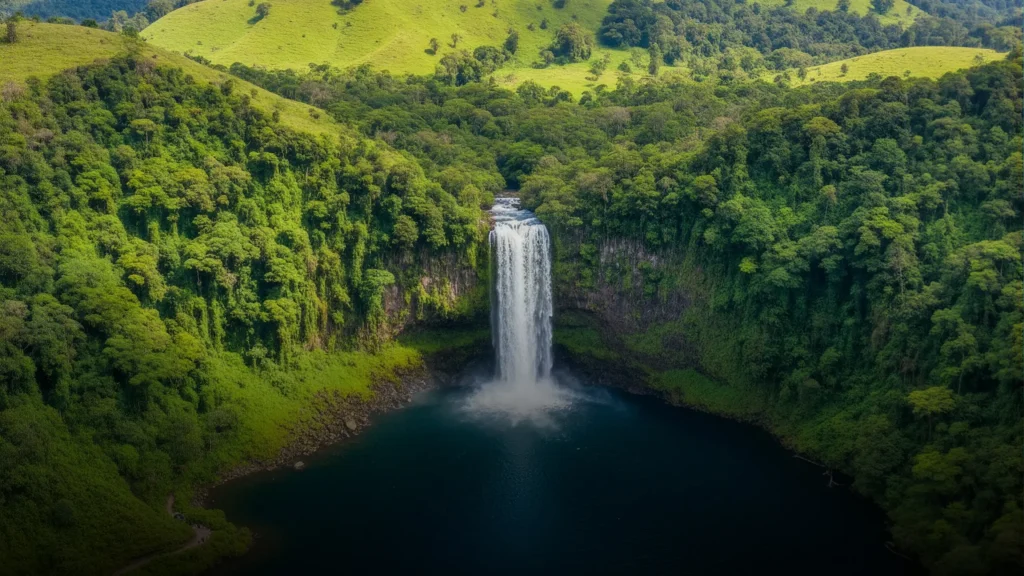
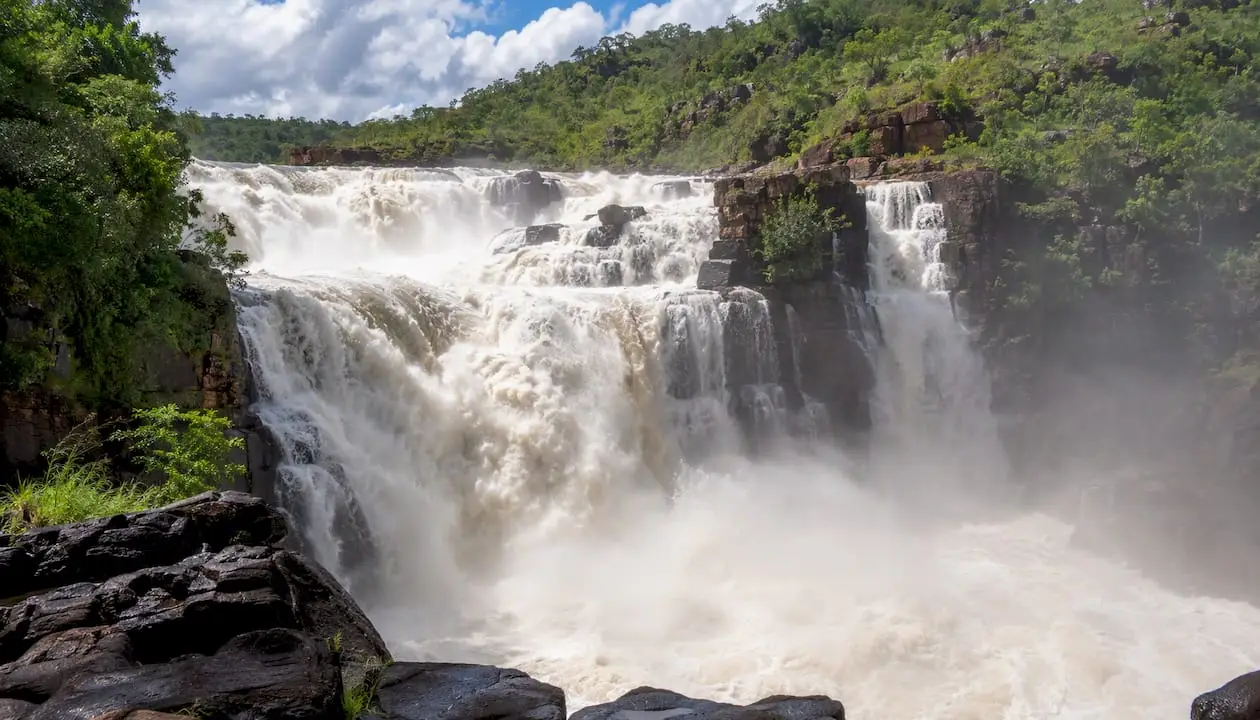
This is when the region’s waterfalls hit their absolute peak, transforming from a trickle into a genuine roar.
Statistic callout: A large share of the Kimberley’s annual rainfall falls within this five-month window, which is exactly why the landscape looks so different compared with the dry season.
- Expect intense, brief storms rather than steady rain
- Humidity is often the bigger daily discomfort than heat
- Rivers and gorges reach their most dramatic flow in January and February
How Does the Wet Season Affect Travel and Access?
This is where the trade-off gets real. Main Roads Western Australia notes that full access to remote 4WD routes, including the Gibb River Road, is really a dry-season feature (May to October). During the wet, sections flood, wash out, or get closed by park authorities without much notice.
Accommodation and tour operators across remote parts of the Kimberley often scale back or close entirely for the wet, particularly stations and camps that depend on the Gibb River Road for supply runs and guest access.
The wet season is beautiful, but it makes independent, self-driven touring genuinely unreliable for a large chunk of the year.
What keeps working is transport that doesn’t depend on sealed roads: guided 4WD tours run by operators who know current conditions, light aircraft into remote gorges, and boat charters along the coast and rivers.
Pro Tip: Book accommodation and tours with free cancellation or date-change options if you’re travelling anywhere near peak wet season. Even confirmed bookings sometimes get cancelled by the operator, not you.
- Gibb River Road: frequently closed or partially impassable
- Remote stations and camps: reduced hours or seasonal shutdown
- Guided tours, flights and boats: the most consistent access options
What Can You Actually Do During the Wet Season?
This is the season for waterfalls at their absolute best. Mitchell Falls, Manning Gorge and the King George Falls roar with a volume you simply won’t see in the dry, and birdlife along the rivers and wetlands is far more active as everything greens up.
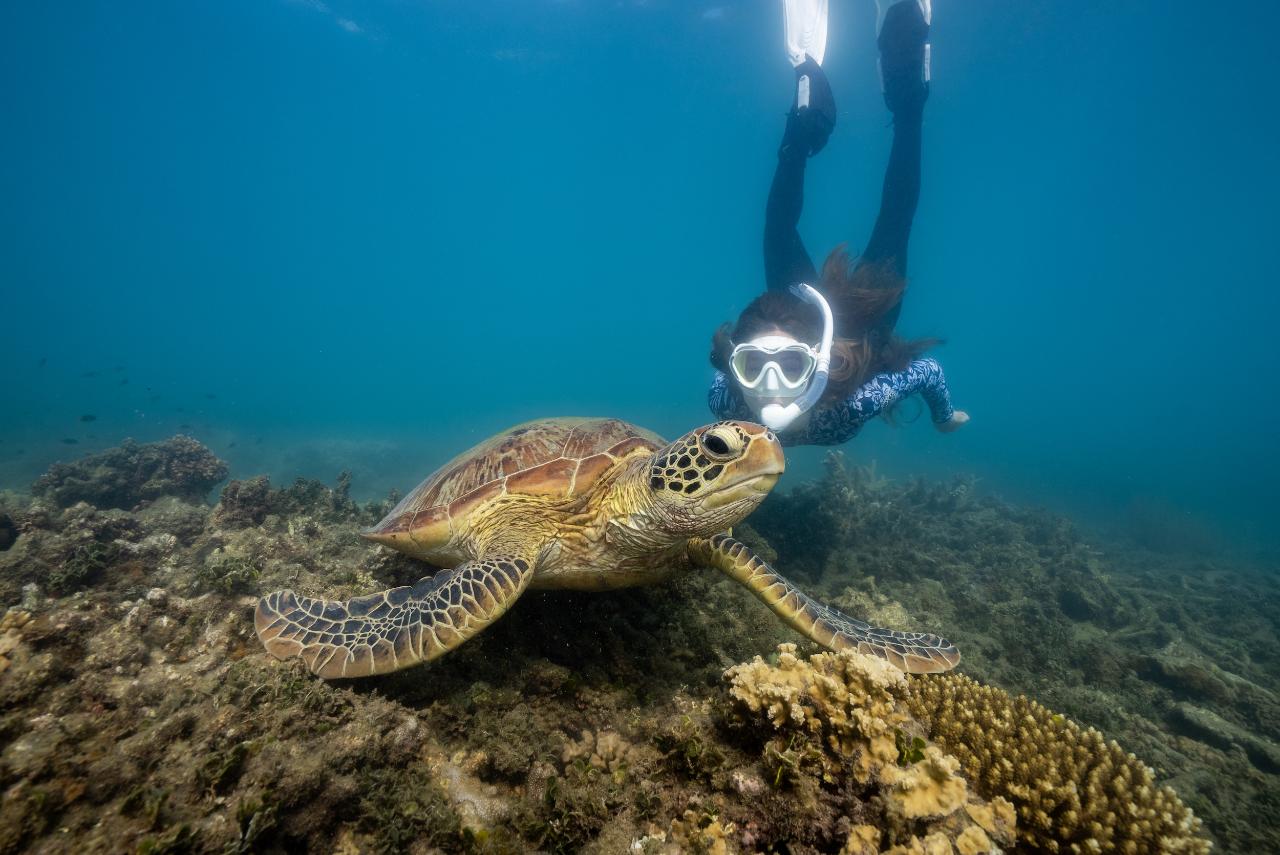
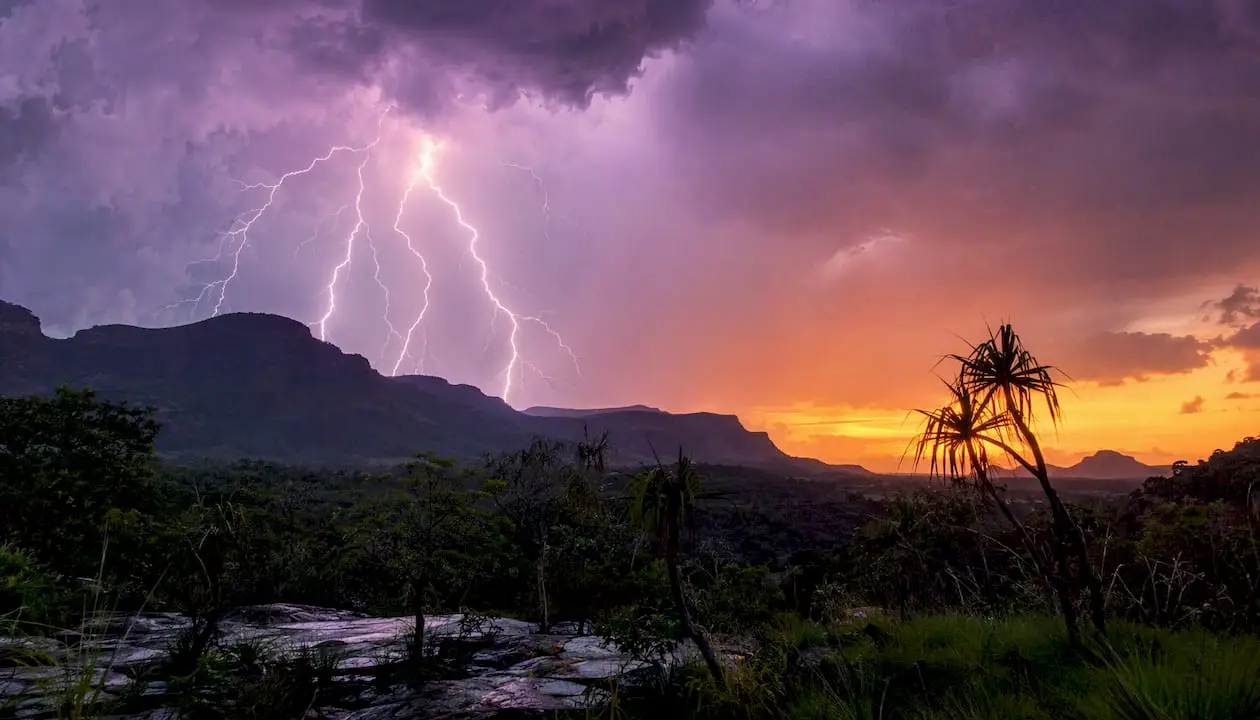
Storm-watching becomes its own attraction, with lightning displays over the ranges that photographers travel specifically to capture. Along the coast near Broome, cyclone swell can bring genuinely good surf, while turtle nesting and hatching windows overlap with parts of the wet season too.
The catch is access. Most of these highlights are best (or only) reached by boat or light aircraft when roads are cut.
Pro Tip: If waterfalls are your priority, prioritise operators offering scenic flights or river cruises over anyone promising an independent 4WD route to the same spot.
- Waterfalls at peak flow: Mitchell Falls, Manning Gorge, King George Falls
- Birdwatching and wetland activity increase noticeably
- Coastal swell and turtle season add seasonal variety
What Safety Rules Should You Follow for Cyclones and Floods?
Live cyclone tracking and warnings for Western Australia come from the Bureau of Meteorology, and it’s worth checking these directly rather than relying on secondhand updates once you’re in the region. Local emergency services also issue flood and road warnings that override any itinerary plan you’ve made.
Never attempt a flooded causeway or river crossing, even if it looks shallow. Water depth and current strength are almost impossible to judge from the roadside, and this is the single biggest cause of wet-season traveller incidents in the north.
If a cyclone watch or warning is issued, follow your accommodation and tour operator’s advice immediately rather than waiting to see how things develop. Travel insurance that specifically covers cyclone disruption and trip cancellation is worth having, and keep emergency contacts for your accommodation and nearest visitor centre saved offline.
- Check BOM cyclone warnings daily during peak wet season
- Follow operator instructions before your own judgement on road conditions
- Confirm your travel insurance covers cyclone-related cancellations
How Should You Pack and Book for a Wet Season Trip?
Packing for the Kimberley wet season means preparing for heat, humidity and sudden downpours, often within the same afternoon. A lightweight rain shell, quick-dry clothing and a dry bag for electronics matter more here than heavy wet-weather gear.
- Pack insect repellent and lightweight long sleeves for dawn and dusk, when mosquito activity increases with the humidity
- Bring waterproof phone and camera protection for boat trips and sudden storms
- Book flexible or refundable accommodation wherever it’s offered
- Confirm operator status a few days before arrival, not just at booking
- Choose guided, air or boat-based itineraries over independent 4WD plans
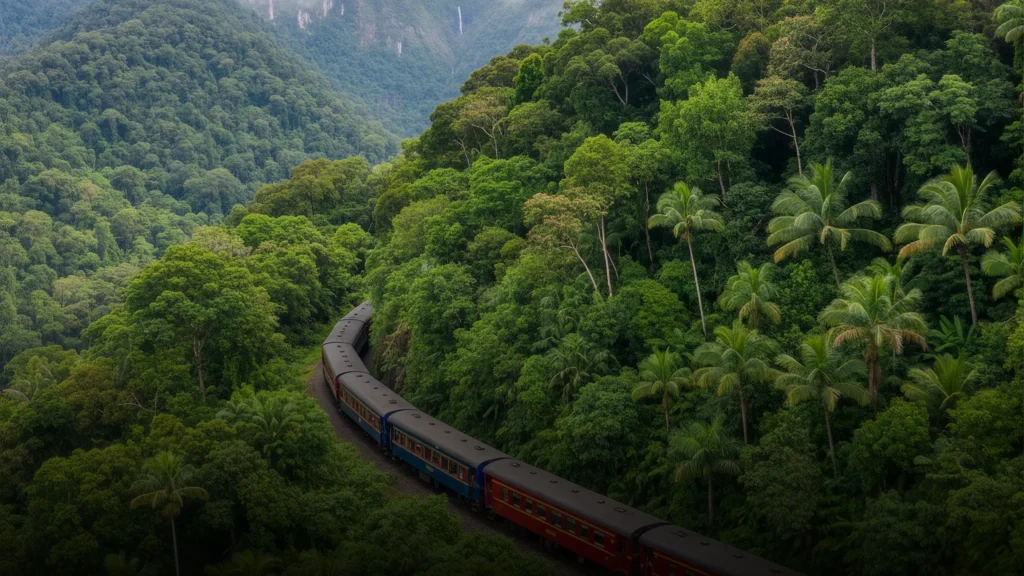
A private river drift experience or a guided rainforest tour is the kind of trip style that keeps working when roads don’t. Aussie Loop’s Daintree packing checklist is a solid starting template even outside that specific region.
Pro Tip: Pack one complete change of clothes in a dry bag separate from your main luggage. If you get caught in a downpour, you’ll want dry clothes that stayed dry.
- Rain shell and quick-dry fabrics over heavy waterproofs
- Insect repellent for dawn and dusk mosquito activity
- Refundable bookings wherever an operator offers them
Who Actually Benefits From Visiting in the Wet?
Local operators consistently describe wet season travel as trading convenience for solitude and drama. You’ll see waterfalls at their peak and have popular sites largely to yourself, but you’ll be relying on guided, air or water-based access rather than your own vehicle.
Photographers, birdwatchers and travellers who genuinely enjoy flexible, changeable plans tend to get the most out of this season. If you need a fixed itinerary, guaranteed road access, or the freedom of independent 4WDing, the dry season (May to October) remains the far more predictable choice.
Pro Tip: If you’re torn between seasons, ask yourself whether you’d rather see the Gibb River Road in full or see Mitchell Falls at full flow. You can rarely get both in one trip.
A Personal View on Timing Your Trip
If solitude and dramatic scenery matter more to you than convenience, the build up period in late October or November is worth serious thought. You get the drama without the worst of the closures. For anyone still weighing it up, Aussie Loop’s curated tours include several wet-season-friendly, guided experiences worth browsing before you commit to dates.
Sources
- Bureau of Meteorology — Western Australia regional pages
- Main Roads Western Australia — Gibb River Road
- NACP regional guide — Kimberley & Pilbara
- Australia’s North West — Weather & climate
- The Kimberley Australia — Kimberley climate
FAQ
What Is the Best Time of Year to Visit the Kimberley?
The dry season, May to October, offers stable weather and full access to remote 4WD tracks like the Gibb River Road. The wet season (November to April) suits travellers prioritising waterfalls, solitude and guided or air-based access over independent driving.
What Is the Wet Season Like in Broome?
Broome experiences the same November to April monsoon pattern as the rest of the Kimberley, with humidity, storms and occasional cyclone swell along the coast. Rain typically arrives as intense late-afternoon downpours rather than continuous drizzle.
Does Kununurra Have a Wet Season?
Yes, Kununurra sits within the same monsoon-driven wet season, generally from November through April, and often sees onset slightly earlier than the southern Kimberley due to its northern position.
What Is the Best Time of Year for a Kimberley Cruise?
Cruise operators generally run in the dry season months for calmer conditions, though some coastal cruising continues into the build up period when seas remain manageable and waterfalls are starting to flow. Always confirm current schedules directly with your chosen operator, since wet-season cruising availability varies year to year.