Quick answer
Bay of Fires is Australia’s best beach for 2025 and one of BBC’s top beach escapes in the world for 2026 — and it is genuinely worth every bit of that praise.
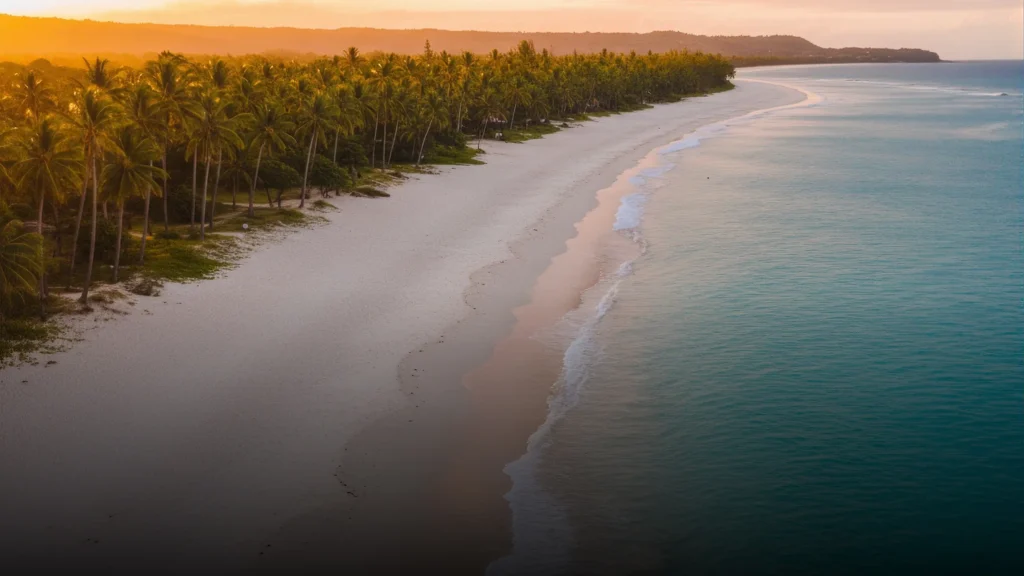
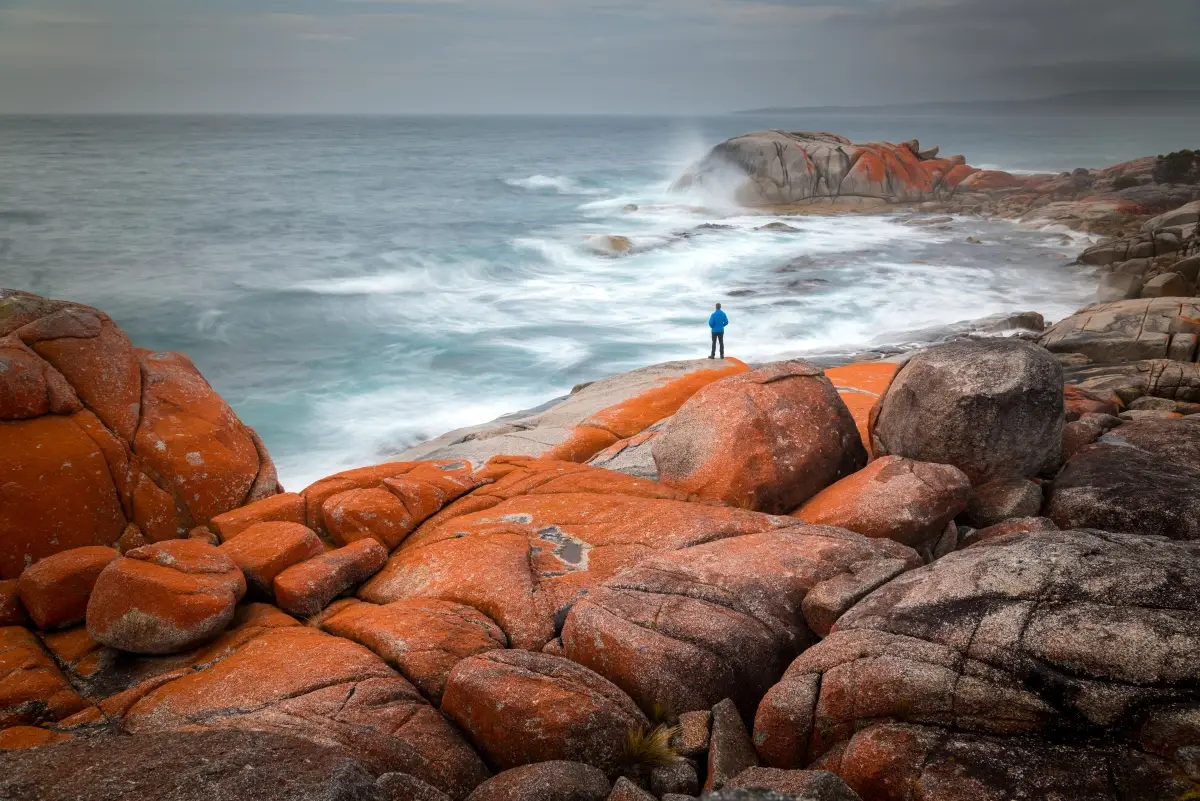
Bay of Fires is a 50-kilometre stretch of coastline in northeast Tasmania — not a single beach, but a whole chain of them — running from Binalong Bay in the south to Eddystone Point in the north. White quartz sand, water so clear it barely looks real, and granite boulders stained a vivid orange by lichen. There are no resorts, no entry gates, and no cafe selling overpriced coffee. What Bay of Fires does have is free camping behind the beach, almost no crowds outside summer, and one of the most genuinely wild coastal experiences available anywhere in Australia. Here is what you need to know before you go.

6 things to know before you visit Bay of Fires
1. Bay of Fires is not one beach — it is an entire coastline
The most common misconception about Bay of Fires Tasmania is that it is a single destination you arrive at, look at, and leave. It is not. Bay of Fires is a 50-kilometre stretch of coastline with multiple distinct beach areas, each with its own character. Understanding the geography before you go saves significant time on the ground.
The main access points from south to north:
- Binalong Bay: The gateway town and the easiest access point. A genuine small coastal community with a few cafes, a general store, and the most accessible beaches. Start here if it is your first Bay of Fires visit.
- Swimcart Beach: The most popular camping beach in the conservation area. Broad, sheltered, and beachfront campsites with direct water access. About 5 minutes north of Binalong Bay on a sealed road.
- The Gardens: A boulder-scrambling zone of orange granite outcrops, hidden coves, and the most dramatic orange lichen concentrations. No camping, day visits only. Worth 2 hours.
- Cosy Corner: Quieter camping area further north, suited to visitors who want space and solitude over convenience.
- Eddystone Point: The northern end — a wild headland with a historic lighthouse, accessible by 4WD only on the final section. Few visitors make it this far and that is entirely the point.
Mobile reception at Bay of Fires disappears fast beyond Binalong Bay. Download your maps, the park information, and your accommodation details before you leave St Helens.
2. You need a National Parks pass — and to be completely self-sufficient

A Tasmanian National Parks pass is required for vehicle entry to Bay of Fires Conservation Area. In 2026, a daily vehicle pass costs 41.20 AUD (up to 8 people per vehicle). If you are visiting multiple Tasmanian parks — and you should be — the 8-week Holiday Pass at 95.50 AUD per vehicle is significantly better value and covers all parks for two months.
More importantly: Bay of Fires has no shops, no water taps, and no rubbish collection at any campground. None. You must stock up before you arrive and carry out everything you bring in. The shopping list before entering Bay of Fires:
- Drinking water — enough for your entire stay, plus extra
- Food for all meals — no resupply available inside the area
- Fuel — fill up in St Helens, the last reliable fuel stop before Bay of Fires
- Sunscreen, insect repellent, bin bags for rubbish
- A portable camping stove — campfires are seasonally banned and cannot be relied on
- A portable toilet if staying more than one night at smaller sites
***Bay of Fires is genuinely wild. That is the entire point. Go prepared and it is one of the best places on earth. Go underprepared and it will be a very uncomfortable lesson in logistics.***
3. The camping at Bay of Fires is free — and first come, first served
Eight designated campgrounds are spread across the Bay of Fires Conservation Area. All are free (beyond the park entry pass). All operate on a first-come, first-served basis with no booking system and a maximum stay of four weeks. In peak summer (December to February), Swimcart Beach fills by early afternoon on weekends. During autumn, winter, and spring, Bay of Fires campgrounds are often quiet enough that you can genuinely have a beach to yourself.
Swimcart Beach is the most popular campground and the easiest for first-timers — beachfront sites, a reasonable number of drop toilets, and sealed road access. Cosy Corner and Jeanneret Beach are quieter options for visitors who want more space. At the northern end near Eddystone Point, campsites are the most remote but require confident navigation.
If camping is not your style, Binalong Bay has a small number of holiday rentals and the Bay of Fires Bush Retreat offers glamping in bell tents for visitors who want proximity to the area without sleeping on the ground.
4. The wukalina Walk is the best way to experience Bay of Fires in depth
For visitors who want something more than a day at the beach, the wukalina Walk is the experience that changes the entire meaning of Bay of Fires. It is a 4-day, 3-night Aboriginal-owned and operated guided walk through the traditional homeland of the Palawa people — the coastal and inland areas of wukalina (Mount William National Park) and larapuna (Bay of Fires).
Small groups of up to 10 people walk with Palawa guides through coastal heathland, along beaches, and up to the summit of wukalina, with nights in architecturally designed domed huts at a standing camp and a final night at the restored Eddystone Point lighthouse keeper’s cottage. Activities include kelp basket weaving, smoking ceremonies, bush tucker tastings, and fireside storytelling. The wukalina Walk was named one of TIME magazine’s World’s Greatest Places in 2024 and was operating award ceremonies again in 2026.
It books out well in advance. If the wukalina Walk is on your radar, check availability as early as possible and treat it as the anchor of your Tasmania itinerary, not an add-on. The Tourism Tasmania wukalina Walk page has current departure dates and availability.
5. How to get to Bay of Fires from Hobart and Launceston

Bay of Fires sits in the northeast corner of Tasmania — more accessible from Launceston than from Hobart.
- From Launceston: Approximately 186 kilometres via the Tasman Highway. Drive time around 2 hours 30 minutes to Binalong Bay. This is the most straightforward access route.
- From Hobart: Approximately 290 kilometres via the Tasman Highway through Campbell Town and St Marys. Drive time around 3 hours 30 minutes to Binalong Bay. Factor in the distance when planning your 7-day Tasmania itinerary — Bay of Fires works better as part of an East Coast loop than as a standalone Hobart day trip.
- Without a car: There is no public transport to Bay of Fires. Joining a guided multi-day tour is the only practical option without a hire car. Our Bay of Fires 3 Day tour departs from Hobart with all transport, accommodation, and park entry included.
St Helens is the last proper town before Bay of Fires — 20 minutes south of Binalong Bay on the A3. Fill up with fuel, stock your water and food supplies, and check the weather forecast here before heading into the conservation area.
6. The best time to visit Bay of Fires
Bay of Fires is a year-round destination — the Parks Tasmania Bay of Fires page keeps current seasonal conditions and access information. Here is the honest seasonal breakdown:
- Summer (December to February): Warmest water temperatures, longest days, best swimming. Also the busiest period — Swimcart Beach fills on weekends. Book accommodation in Binalong Bay well in advance.
- Autumn (March to May): One of the best times to visit Bay of Fires. Crowds thin fast after Easter. Mild temperatures, quieter beaches, and the orange lichen looks richest in lower-angle autumn light. Highly recommended.
- Winter (June to August): Cold, windy, and nearly deserted. The coastline at Bay of Fires in winter is raw and dramatic in a way that summer never is. Bring serious layers, check for coastal weather warnings, and enjoy having the boulders entirely to yourself.
- Spring (September to November): Wildflowers in the coastal heathland, warming conditions, and campground availability before the summer rush. A strong window for visitors who want Bay of Fires without the summer crowd.
One thing Bay of Fires does regardless of season: deliver a sunrise worth waking up for. The eastern-facing coastline catches first light on the lichen-covered boulders and turns the whole landscape the colour of fire. That is why Tobias Furneaux named it what he did in 1773 when he saw the Aboriginal fires burning all along the coast — and it is still the most striking thing you will see here.
***Do not skip the sunrise at Bay of Fires. Set your alarm, walk to the boulders at The Gardens, and watch the orange light hit the orange rock. You will understand why it won Australia’s best beach the moment it happens.***
FAQs
What is Bay of Fires Tasmania known for?
Bay of Fires Tasmania is known for its 50-kilometre stretch of coastline featuring white quartz sand beaches, turquoise water, and granite boulders stained vivid orange by lichen. It was named Australia’s Best Beach for 2025 by Tourism Australia and one of BBC’s 8 best beach escapes in the world for 2026. The area is also home to the wukalina Walk, a Palawa-owned 4-day guided cultural experience named one of TIME magazine’s World’s Greatest Places in 2024.
How do you get to Bay of Fires from Hobart?
Bay of Fires is approximately 290 kilometres from Hobart — around 3 hours 30 minutes by car via the Tasman Highway through Campbell Town and St Marys to Binalong Bay. There is no public transport to Bay of Fires. Visitors without a hire car can join a guided multi-day tour from Hobart that includes all transport and park entry. Bay of Fires is more easily accessed from Launceston, which is approximately 186 kilometres away — around 2 hours 30 minutes drive.
Is camping at Bay of Fires free?
Yes. The eight designated campgrounds across the Bay of Fires Conservation Area are free to use beyond the required Tasmanian National Parks pass (41.20 AUD per vehicle daily, or 95.50 AUD for an 8-week Holiday Pass). All campgrounds operate on a first-come, first-served basis with no booking system. Bay of Fires has no shops, water taps, or rubbish collection — you must be completely self-sufficient for your entire stay.
What is the wukalina Walk at Bay of Fires?
The wukalina Walk is a 4-day, 3-night guided experience owned and operated by the Palawa Aboriginal community of Tasmania. Small groups of up to 10 people walk through wukalina (Mount William National Park) and larapuna (Bay of Fires) with Palawa guides who share cultural knowledge, storytelling, bush tucker, and traditional practices including weaving and smoking ceremonies. Accommodation is in architecturally designed domed huts and a restored lighthouse cottage at Eddystone Point. The wukalina Walk was named one of TIME magazine’s World’s Greatest Places in 2024 and books out well in advance.
What is the best time to visit Bay of Fires Tasmania?
Autumn (March to May) is the best time to visit Bay of Fires for most visitors — mild temperatures, fewer crowds after Easter, and the orange lichen at its most vivid in lower-angle autumn light. Summer (December to February) offers the warmest swimming conditions and longest days but the campgrounds fill on weekends. Winter delivers dramatic empty coastline for visitors who do not mind the cold. Spring is a strong shoulder-season window with wildflowers and good availability before the summer rush.
Can you visit Bay of Fires without a car?
Not independently. Bay of Fires has no public transport access. Visitors without a hire car need to join a guided tour that includes transport — the Bay of Fires 3 Day tour from Hobart covers the East Coast highlights with all transport, accommodation, and national park entry included. If you are self-driving Tasmania, Binalong Bay is the easiest entry point and requires a standard car on sealed roads. The northern sections toward Eddystone Point require a 4WD vehicle.
Every tour on Aussie Loop is handpicked by people who actually know Tasmania. No paid placements. No sponsored listings. Just what is worth your time at Bay of Fires.